Paying off debt is a big win, but it might lower your credit scores at first. Equifax says this drop is usually short-lived. You can keep your credit in good shape by sticking to good habits.
It’s key to manage your credit score well when paying off debt. Doing so not only boosts your score but also brings better financial chances later. In this piece, we’ll share important credit score tips for a smooth journey.
By using these tips, you can lessen the debt repayment’s negative effect on your score. This way, you’ll move towards a stronger financial standing.
Understanding Credit Scores and Debt
To improve your credit score, it’s key to understand how scores are made and their link to debt. Credit scores are vital for getting loans and credit at good rates.
How Credit Scores Are Calculated
Credit scores are based on a few main things. These include how you pay bills, how much credit you use, how long you’ve had credit, the types of credit you have, and new credit checks.
The Five Major Credit Score Factors
The five big factors are: payment history (35%), credit use (30%), credit age (15%), credit mix (10%), and new credit (10%). Knowing these can show you where to get better.
FICO vs. VantageScore Models
FICO and VantageScore are the top scoring models. They both check if you’re creditworthy but use different ways to do it. FICO scores go from 300 to 850, while VantageScore has a similar range but different ways to calculate.
The Impact of Debt on Your Credit Score
Debt really affects your credit score. The kind of debt and how you handle it are key to your credit health.
Good Debt vs. Bad Debt
Good debt, like mortgages or student loans, can help your future. Bad debt, like high-interest credit cards, can hurt your score if not managed right.
Debt-to-Income Ratio Explained
The debt-to-income ratio shows your monthly debt vs. your monthly income. Keeping this ratio low can help your credit score.
The Relationship Between Debt Repayment and Credit Scores
Debt repayment and credit scores are closely linked. Managing this connection is key to financial health. As you pay off debts, it’s important to know how it impacts your credit score.
How Paying Off Debt Affects Your Credit Score
Paying off debt can have both good and bad effects on your credit score. Reducing debt can improve your credit utilization ratio. This is a big factor in your credit score, says Equifax.
But, paying off debt can also cause your score to drop temporarily. It’s crucial to understand these changes to manage your credit well.
Why Your Score Might Initially Drop When Paying Off Debt
It’s common for your credit score to drop at first when you pay off debt. There are several reasons for this.
The Credit Mix Factor
One reason is the change in your credit mix. Credit mix is the variety of credit types you have. Closing an account can change this mix, affecting your score. Maintaining a diverse credit mix is important, but managing your debt is key too.
Temporary Fluctuations Explained
Temporary score changes can also happen due to credit utilization. Paying off debt improves your credit utilization ratio. But, using more credit later can hurt your score. Monitoring your credit utilization regularly helps avoid this.
Understanding the link between debt repayment and credit scores helps improve your finances. Using credit score improvement strategies and best credit score advice can lead to a better score.
Essential Credit Score Tips While Paying Off Debt

Keeping a good credit score while paying off debt needs discipline and planning. As you work on paying off your debt, using the right strategies can help a lot.
Prioritizing Payments Strategically
When tackling debt, it’s key to prioritize your payments. Start by paying off debts with high interest rates first. Make minimum payments on other debts. This method can cut down interest costs and boost your credit score.
Maintaining On-Time Payments
Payment history is a big part of your credit score. To keep your score healthy, pay all bills on time. Use reminders or automate payments to stay on track.
Managing Credit Utilization
Credit utilization is also key to your credit score. It’s important to keep your credit usage low.
The 30% Rule Explained
Many experts suggest keeping your credit usage under 30%. For example, if your credit limit is $1,000, aim for a balance under $300. Credit expert Vanessa Owens says this can boost your score.
Individual vs. Overall Utilization
It’s not just the total credit usage that counts; individual card usage matters too. Keeping each card’s balance low can help your score. Spread your debt across cards to keep each utilization ratio low.
Creating a Balanced Debt Repayment Plan
To boost your credit score, you need a solid plan for paying off debt. It’s important to know about different ways to tackle debt and how they affect your score.
Debt Snowball vs. Debt Avalanche Methods
The debt snowball method focuses on paying off the smallest debts first. This approach gives you quick victories and keeps you motivated. On the other hand, the debt avalanche method targets debts with the highest interest rates. This method can save you more money in interest over time.
| Method | Approach | Benefit |
|---|---|---|
| Debt Snowball | Pay smallest debts first | Quick psychological wins |
| Debt Avalanche | Pay highest interest debts first | Saves money on interest |
Incorporating Credit Score Considerations
When planning to pay off debt, think about how it will affect your credit score. Paying off debts can lower your score slightly at first. This is because your credit utilization changes.
Which Debts Impact Your Score Most
High-interest debts, like those from credit cards, can really hurt your credit score. This is because they affect your credit utilization ratio. Focusing on these debts can help improve your score faster.
Creating a Timeline for Improvement
It’s key to set a realistic timeline for paying off your debt. Having specific goals helps you track your progress. You can adjust your plan as needed to stay on track.
Managing Credit Card Debt for Score Improvement
To boost your credit score, managing your credit card debt is key. It’s important to know how using your cards and paying them off affects your score.
Optimal Credit Utilization Strategies
Keeping your credit utilization low is vital for a good score. Aim to use less than 30% of your available credit. For example, if your limit is $1,000, try to keep your balance under $300.
Requesting Credit Limit Increases
Asking for a credit limit increase can help your score. This works best if you don’t spend more than before. For example, if you use $200 on a $500 card, asking for a $1,000 limit can lower your ratio.
Strategic Payment Timing
Timing your payments right can also boost your score. Paying early ensures your credit ratio is reported correctly to credit bureaus.
Should You Close Paid-Off Credit Cards?
After paying off your cards, you might think about closing them. Closing them can affect your score in different ways.
Impact on Credit History Length
Closing old accounts can shorten your credit history. This is a factor in your score. Longer credit histories are seen as better.
Alternatives to Closing Accounts
Instead of closing cards, keep them open and use them little. This keeps your credit history long and your ratio healthy.
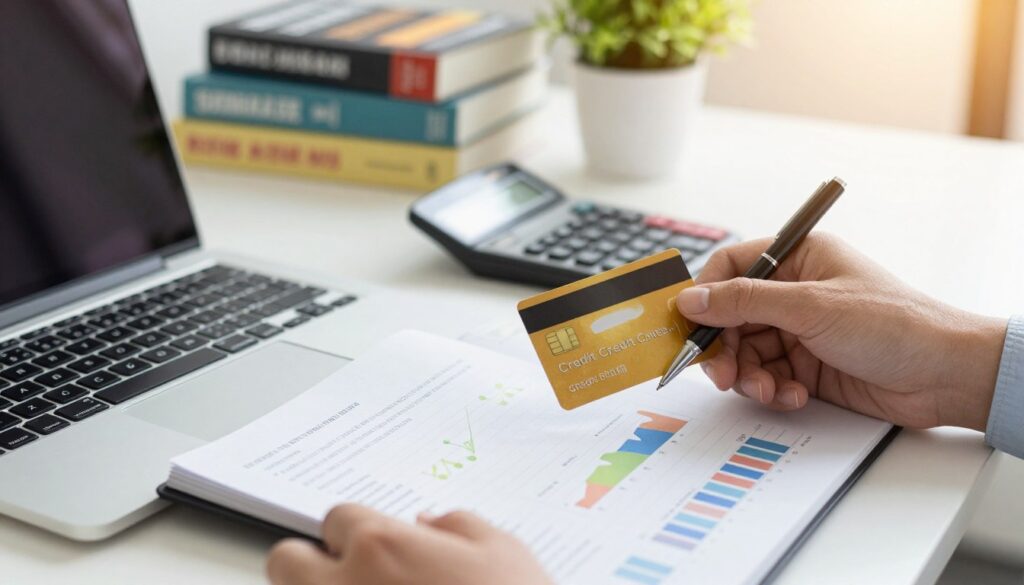
| Strategy | Impact on Credit Score |
|---|---|
| Optimal Credit Utilization | Positive |
| Credit Limit Increase | Positive |
| Strategic Payment Timing | Positive |
| Keeping Paid-Off Credit Cards Open | Positive |
Handling Installment Loans and Your Credit Score
Improving your credit score involves managing installment loans well. These loans, like mortgages, auto loans, and student loans, play a big role in your credit score.
Mortgage and Auto Loan Strategies
Keeping your mortgage and auto loans in check is key to a good credit score. Make sure to pay on time and keep loan balances low. Paying more than the minimum on these loans can help reduce the principal and show you’re responsible with credit.
It’s also important to avoid late payments. A single missed payment can hurt your score. Setting up automatic payments can help you stay on track.
Student Loan Repayment Approaches
Student loans also affect your credit score. There are ways to manage them well, like income-driven plans and refinancing.
Income-Driven Repayment Plans and Your Credit
Income-driven plans can make student loan payments easier, which can help your credit score. They reduce your monthly payments, lowering the risk of delinquency or default.
Student Loan Refinancing Considerations
Refinancing student loans can also impact your score. It might lower your monthly payments but could affect your credit utilization ratio. Think carefully before refinancing.

Understanding how installment loans affect your score and using smart management strategies can improve it over time.
Dealing with Collections and Negative Items
Collections and negative items on your credit report can hurt your score. But, there are ways to lessen their impact. It’s key to handle these issues well to boost your credit and financial health.
Negotiating Pay-for-Delete Arrangements
One way to tackle collections is through pay-for-delete deals. You pay off the debt and the creditor removes the negative mark. Knowing how to negotiate is crucial for success.
Sample Negotiation Scripts
Having a script for negotiations can be helpful. For instance, you could say, “I’ll pay $[amount] if you remove the negative item from my report.” Being straightforward can help you reach an agreement.
Documentation Best Practices
After agreeing, make sure to get the deal in writing. The document should outline the payment, deadline, and confirmation of the item’s removal. Keeping these records is important to prove the agreement was kept.
Addressing Errors on Your Credit Report
Errors on your report can also lower your score. It’s important to check your report often and dispute any mistakes. The dispute process involves contacting the agency and providing proof of the error.
The Dispute Process Explained
To dispute an error, you’ll need to file a claim with the agency. Explain the mistake and include any supporting documents. The agency must investigate and respond within 30 days.
Following Up on Disputes
After filing a dispute, it’s important to follow up. Make sure the agency has corrected your report. If not, you may need to take further action or seek help.
Building Positive Credit History While Paying Down Debt

When you’re paying off debt, it’s key to also work on your credit score. This two-step plan helps you pay off debt and boost your creditworthiness.
Secured Credit Cards and Credit Builder Loans
Secured credit cards and credit builder loans are great for building a good credit history. They’re made for people who want to start or improve their credit.
Becoming an Authorized User
Another way is to become an authorized user on someone’s credit card. Choose someone with good credit habits for the best results.
Choosing the Right Primary Account
When you become an authorized user, pick a primary account holder with a solid payment history. They should also have low credit card use.
Potential Risks to Consider
But, there are risks. If the primary account holder misses payments, it could hurt your credit. Always think about these risks before deciding.
Tools and Resources for Credit Score Monitoring
Keeping an eye on your credit score is key when you’re paying off debt. The right tools can really help. You need reliable resources to track changes and find ways to get better.
Free Credit Score Services
Many places offer free credit score services that are super helpful. They give you updates on your score, so you can keep an eye on your finances.
Credit Bureau Resources
The big three credit bureaus – Equifax, Experian, and TransUnion – give you free credit reports once a year. You can get them at AnnualCreditReport.com. These reports show a lot about your credit history, even if they don’t have your score.
Bank and Credit Card Monitoring Tools
Many banks and credit card companies let you track your credit score for free. For example, Capital One and Chase do this through their websites and apps.
Credit Monitoring Apps and Services
There are also apps and paid services for credit monitoring. They offer more features, like protection from identity theft and detailed credit checks.
Free vs. Paid Options
Free services are good for basic monitoring, but paid ones have more features. Credit Karma gives you free scores and monitoring. IdentityForce offers full identity theft protection for a fee.
Features to Look For
When picking a credit monitoring service, look for things like real-time alerts and detailed reports. A good service should help you understand your score and show you how to improve it.
| Service | Free/Paid | Key Features |
|---|---|---|
| Credit Karma | Free | Credit scores, monitoring, and recommendations |
| IdentityForce | Paid | Identity theft protection, credit monitoring |
| AnnualCreditReport.com | Free | Annual credit reports from the three major credit bureaus |
Common Credit Score Mistakes to Avoid During Debt Repayment
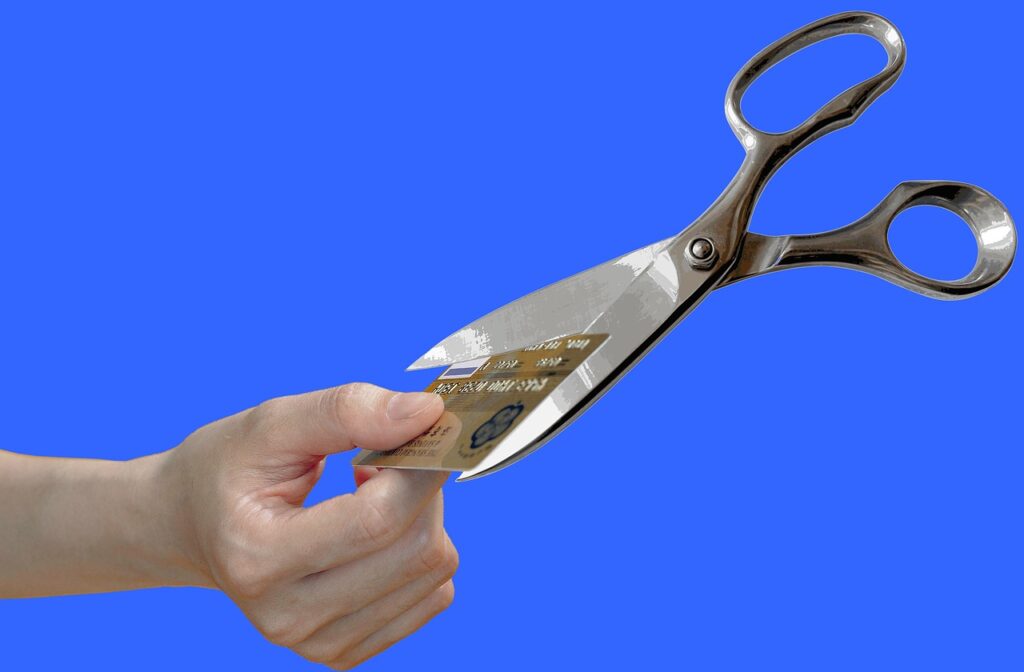
When you’re paying off debt, it’s key to steer clear of common mistakes that can hurt your credit score. To boost your credit, you need a smart plan for managing your debt and credit.
Application Sprees and Hard Inquiries
Applying for many credit cards or loans at once can lead to a lot of hard inquiries. This can lower your credit score. It’s wise to apply for credit only when needed and space out your applications.
Closing Old Accounts
Closing old credit accounts can hurt your credit score. It affects your credit utilization ratio and credit age. It’s best to keep old accounts open to keep your credit history long.
Ignoring Credit Reports
Checking your credit reports often is crucial. It helps you spot errors or negative items that can harm your score. Checking your reports frequently lets you fix issues quickly.
How Often to Check Your Reports
Check your credit reports at least once a year. But, if you’re paying off debt or disputing errors, check more often.
What to Look For in Your Reports
When you review your credit reports, look for mistakes. Check for wrong personal info, accounts that aren’t yours, or late payments that were actually on time. Fixing these errors can boost your score.
Avoiding these common mistakes can help boost your credit rating while you’re paying off debt. Good credit habits, like making payments on time and keeping credit use low, are key to improving your score.
Conclusion
Paying off debt and keeping good credit habits can really boost your credit score. Knowing how scores are made and how debt affects them helps a lot. This way, you can use smart strategies to improve your score.
Following the best advice for credit scores, like paying on time and keeping credit use low, is key. It’s important to be patient and keep at it to see results. This helps you reach your financial goals.
Creating a plan to pay off debt, handling credit cards well, and managing loans can help your score. Also, building a good credit history and keeping an eye on your score is crucial. This keeps you on the right path.
By using these strategies and avoiding common mistakes, you can get a healthy credit score. This leads to better financial health overall.