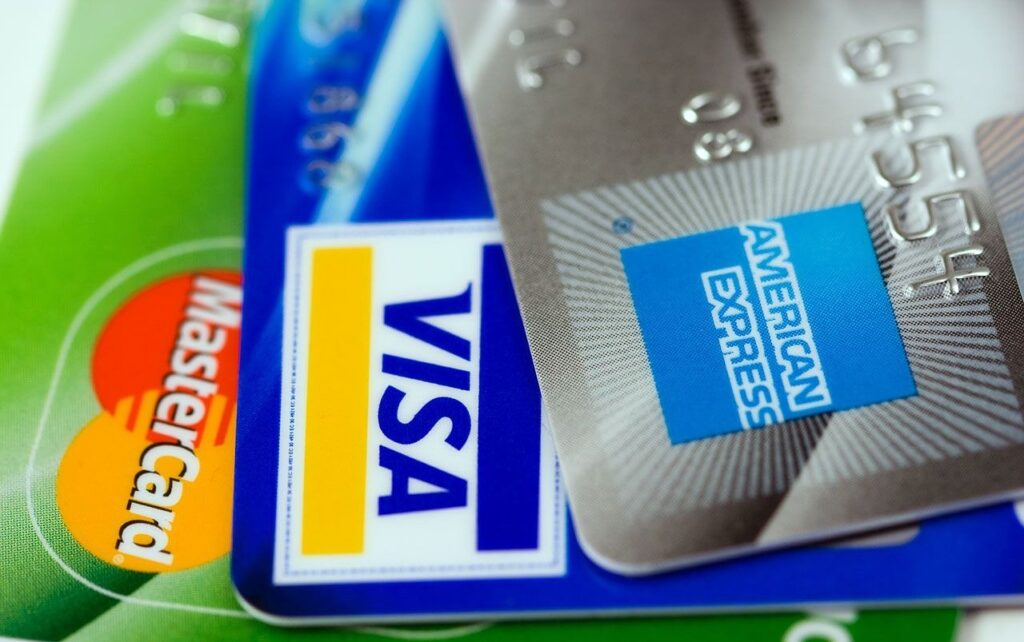
How to pay off credit card debt is a challenge many Americans face. If you’re tired of being burdened by high-interest balances, you’re not alone. The good news is that there are effective strategies to eliminate debt quickly and regain financial freedom.
Carrying credit card debt can have severe financial consequences, from damaging your credit score to accumulating hefty interest charges. However, by implementing a solid plan and maintaining discipline, you can pay off your debt and start fresh.
The key to success lies in choosing the right approach. You can consider methods like making more than the minimum payment, using the snowball or avalanche method, or consolidating your debt. In this article, we’ll explore these strategies in detail, helping you find the best way to achieve credit card debt relief and regain control over your finances.
Understanding Your Credit Card Debt
Before you can start paying off your credit card debt, you need to have a clear picture of what you’re dealing with. Understanding your credit card debt is crucial for developing an effective plan to become debt-free.
Assessing Your Total Debt Balance
To assess your total debt balance, you need to gather all your credit card statements. This step is vital in understanding the overall amount you owe.
Gathering All Your Credit Card Statements
Collect all your credit card statements, including those that you might have forgotten about or considered inactive. Every statement counts because it contributes to your total debt balance.
Creating a Debt Inventory Spreadsheet
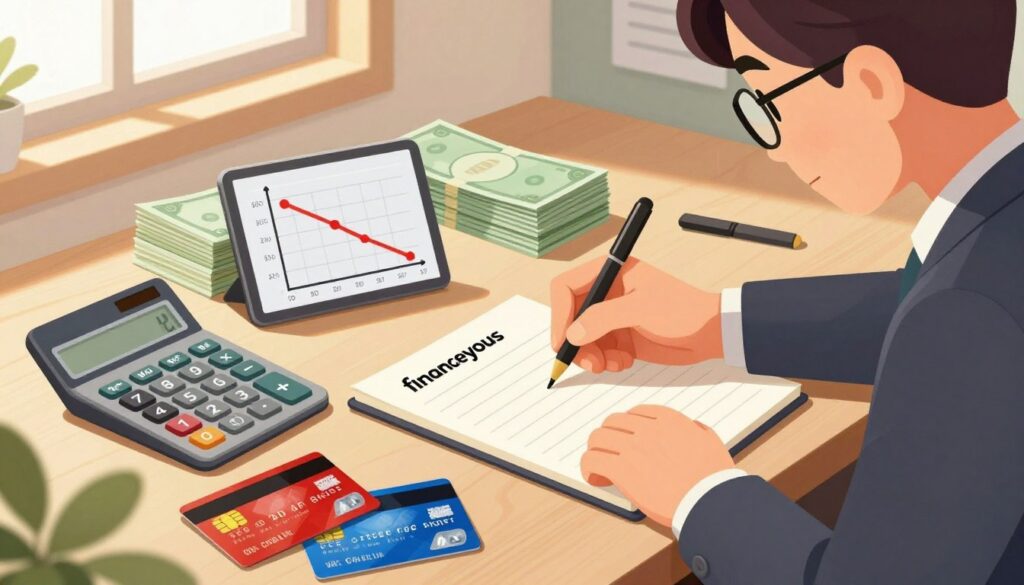
Create a debt inventory spreadsheet to organize the information from your credit card statements. List the balance, interest rate, and minimum payment for each card. This will give you a clear overview of your debt.
Identifying Interest Rates and Minimum Payments
Understanding how interest rates work and the implications of making only minimum payments is key to reducing your credit card debt.
How Interest Compounds Monthly
Interest on your credit card debt compounds monthly, meaning that interest is charged on both the principal amount and any accrued interest. This can significantly increase your debt over time.
The Trap of Making Only Minimum Payments
Making only the minimum payment on your credit cards can lead to a longer payoff period and more money spent on interest. It’s a trap that can keep you in debt for years.
By understanding your total debt balance, interest rates, and the impact of minimum payments, you can reduce your credit card debt more effectively and work towards a debt-free future.
The Impact of Credit Card Debt on Your Financial Health
Credit card debt can have far-reaching consequences on your overall financial well-being. It’s not just about the amount you owe; it’s about how it affects your credit score, your ability to secure loans, and your overall financial stability.
How Credit Card Debt Affects Your Credit Score
Your credit score is significantly influenced by your credit card debt. Two key factors are at play here: your credit utilization ratio and your payment history.
Credit Utilization Ratio Explained
Your credit utilization ratio is the percentage of available credit being used. Keeping this ratio below 30% is recommended. For example, if you have a credit limit of $1,000, try to keep your balance below $300.
Payment History and Its Importance
Payment history accounts for a significant portion of your credit score. Missing payments or making late payments can negatively affect your score. Setting up automatic payments can help ensure you never miss a payment.
The True Cost of Carrying Credit Card Balances
Carrying credit card balances can result in substantial costs over time, primarily due to interest payments.
Calculating Interest Paid Over Time
The longer you take to pay off your debt, the more interest you’ll pay. For instance, a $2,000 balance on a card with an 18% interest rate can cost you over $1,000 in interest over 2 years if you only make minimum payments.
Opportunity Cost of Debt Payments
Money spent on debt payments could be invested elsewhere, potentially earning returns. For example, paying off high-interest debt frees up money that could be invested in a retirement account or used for other financial goals.
| Debt Amount | Interest Rate | Minimum Payment | Total Interest Paid | Payoff Period |
|---|---|---|---|---|
| $2,000 | 18% | $50 | $1,200 | 5 years |
| $5,000 | 22% | $100 | $3,500 | 7 years |

Creating a Realistic Debt Payoff Plan
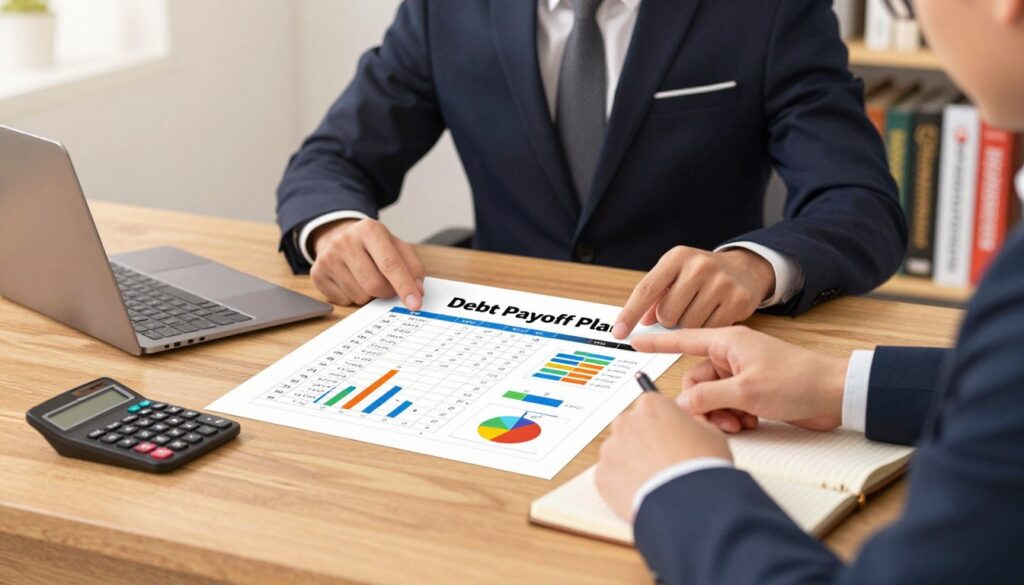
Creating a debt payoff plan that works for you involves understanding your debt, setting achievable goals, and establishing a timeline. This comprehensive approach ensures that you stay on track and motivated throughout the debt repayment process.
Setting Achievable Debt Reduction Goals
To effectively reduce your debt, it’s essential to set SMART (Specific, Measurable, Achievable, Relevant, Time-bound) goals. This methodology helps you create a clear roadmap for debt repayment.
Short-term vs. Long-term Debt Goals
Short-term goals focus on immediate debt reduction, such as paying off a credit card balance within the next six months. Long-term goals, on the other hand, involve broader financial objectives, like becoming debt-free within a few years.
Using SMART Goal Methodology for Debt
By applying the SMART criteria, you can create a tailored plan that addresses your specific debt challenges. For example, a SMART goal might be: “I will pay off $2,000 in credit card debt within the next 12 months by making monthly payments of $167.”
Establishing a Timeline for Becoming Debt-Free
Establishing a realistic timeline is critical to achieving debt freedom. This involves calculating your debt-free date and being prepared to adjust your timeline as needed.
Calculating Your Debt-Free Date
To determine your debt-free date, consider your total debt, interest rates, and monthly payments. You can use online debt repayment calculators to simplify this process.
Adjusting Your Timeline as Needed
Life is unpredictable, and your debt repayment plan should be flexible. If you encounter financial setbacks, adjust your timeline accordingly to avoid feeling overwhelmed.
Effective Strategies to Pay Off Credit Card Debt
Paying off credit card debt requires a strategic approach, and there are several effective methods to consider. You can choose from various debt repayment strategies, each tailored to different financial situations and personal preferences.
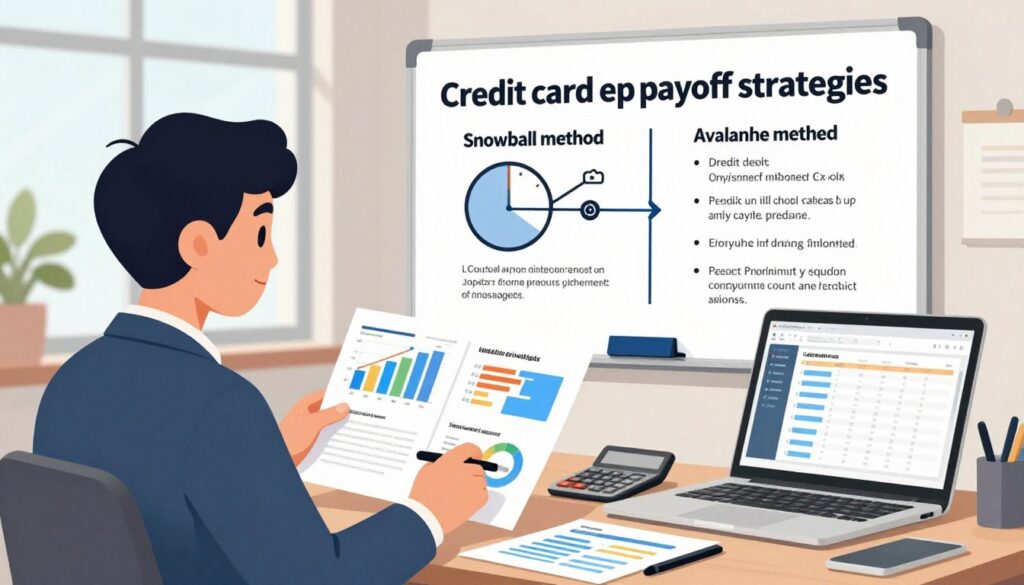
The Debt Avalanche Method
The debt avalanche method involves prioritizing debts based on their interest rates, focusing on the highest rate first. This approach can save you a significant amount in interest over time.
Prioritizing High-Interest Debt First
By targeting high-interest debts first, you reduce the amount of interest accrued, thereby paying off your debt more efficiently.
Mathematical Benefits of Avalanche Method
The avalanche method is mathematically sound because it minimizes the total interest paid, making it a cost-effective strategy for debt repayment.
The Debt Snowball Method
The debt snowball method, on the other hand, involves paying off your smallest credit card balances first. This approach provides psychological benefits through quick wins.
Targeting Smallest Balances First
By eliminating smaller debts first, you achieve a sense of accomplishment and momentum in your debt repayment journey.
Psychological Benefits of Quick Wins
Quick wins can be highly motivating, helping you stay committed to your debt repayment plan.
The Debt Lasso Method
The debt lasso method involves consolidating your debts to lower interest rates and focusing your payments for maximum impact.
Consolidating Debt to Lower Interest Rates
Consolidating your debt can simplify your payments and potentially lower your interest rates, making it easier to manage your debt.
Focusing Payments for Maximum Impact
By consolidating and focusing your payments, you can make a more significant impact on your debt, paying it off faster.
| Method | Focus | Benefits |
|---|---|---|
| Debt Avalanche | High-interest debts first | Saves money on interest |
| Debt Snowball | Smallest balances first | Provides quick wins and momentum |
| Debt Lasso | Consolidation to lower rates | Simplifies payments and reduces interest |
Finding Extra Money to Pay Down Debt
Accelerating debt repayment requires discovering extra funds. To reduce credit card debt, you need to either cut expenses or increase your income. Let’s explore how you can free up more money in your budget to pay down credit card debt effectively.
Cutting Unnecessary Expenses
One way to allocate more funds towards debt repayment is by reducing unnecessary expenses. Start by identifying discretionary spending.
Identifying Discretionary Spending
Review your budget to identify areas where you can cut back. Common discretionary expenses include dining out, subscription services, and entertainment.
Creating a Bare-Bones Budget
Create a minimalist budget that covers only essential expenses. This will help you understand where you can cut back and allocate those funds towards getting rid of credit card debt.
Increasing Your Income Sources
Another strategy is to increase your income. This can provide additional funds for debt payments.
Side Hustles and Gig Economy Opportunities
Consider taking up a side job or freelance work to boost your income. Platforms like Uber, Lyft, and TaskRabbit can provide flexible opportunities.
Selling Unused Items for Debt Payments
Sell items you no longer need or use to generate extra cash. Online marketplaces like eBay, Craigslist, and Facebook Marketplace can be useful.

How to Pay Off Credit Card Debt Through Consolidation
Credit card debt consolidation involves combining multiple debts into a single, more manageable loan. This strategy can simplify your finances, reduce stress, and potentially save you money on interest.
Balance Transfer Credit Cards
Balance transfer credit cards allow you to move multiple credit card balances to a single card, often with a 0% APR promotional period. This can be an effective way to consolidate debt and save on interest.
Finding 0% APR Offers
Look for credit cards offering 0% APR on balance transfers for a promotional period, typically ranging from 12 to 21 months. Be sure to check the balance transfer fee, which can range from 3% to 5% of the transferred amount.
Understanding Balance Transfer Fees
While balance transfer credit cards can save you money on interest, the transfer fee can add to your debt. Calculate whether the savings on interest outweigh the fee.
Personal Loans for Debt Consolidation
Personal loans can be used to consolidate credit card debt by providing a single loan with a fixed interest rate and a set repayment period.
Comparing Interest Rates and Terms
When considering a personal loan, compare rates and terms from multiple lenders to find the best deal. A lower interest rate can save you money over the life of the loan.
Application Process and Requirements
The application process typically involves a credit check, income verification, and sometimes collateral. Be prepared to provide financial information to secure the loan.
Home Equity Loans and HELOCs
Home equity loans and Home Equity Lines of Credit (HELOCs) allow you to borrow against the equity in your home to consolidate debt.
Risks of Using Home Equity for Credit Card Debt
Using home equity to pay off credit card debt puts your home at risk if you’re unable to repay the loan. It’s crucial to weigh this risk against the potential benefits.
Tax Implications of Home Equity Borrowing
The tax implications of home equity borrowing have changed. Consult a tax professional to understand how these changes affect you.
| Consolidation Method | Interest Rate | Fees | Risks |
|---|---|---|---|
| Balance Transfer Credit Cards | 0% APR promotional period | Balance transfer fee (3-5%) | High interest after promotional period |
| Personal Loans | Fixed rate (varies by lender) | Origination fee (varies) | Credit score impact |
| Home Equity Loans/HELOCs | Variable or fixed rate | Closing costs, appraisal fees | Risk of losing your home |
Negotiating with Credit Card Companies
Negotiating with your credit card company can be a viable option for reducing your debt burden. By directly communicating with your creditors, you may be able to secure more favorable terms on your debt.
How to Request Lower Interest Rates
To request a lower interest rate, start by calling your credit card company’s customer service number. Be prepared to explain your financial situation and why you’re requesting a rate reduction.
Script for Calling Your Credit Card Company
Having a script can help you stay focused. For example: “I’m calling to request a lower interest rate on my credit card. I’ve been a loyal customer, and I’m facing financial hardship.”
Leveraging Competitor Offers
If you’ve received better offers from other credit card companies, mention them. This can be a powerful bargaining chip.
Settling Debt for Less Than You Owe
Debt settlement involves offering to pay a lump sum that’s less than your total debt. This can be risky but sometimes effective.
When Debt Settlement Makes Sense
Consider debt settlement if you have a lump sum and can’t pay the full amount. Be aware that it may impact your credit score.
Impact of Settlements on Your Credit
Debt settlement can negatively affect your credit score because it indicates to lenders that you didn’t pay the full amount owed.
Debt Relief Programs and Professional Help
You don’t have to face credit card debt alone; debt relief programs and professional help are available to support you. When dealing with overwhelming debt, it’s essential to explore all available options to regain control of your finances.
Credit Counseling Services
Credit counseling services provide personalized guidance to help you manage your debt effectively. These services are often offered by non-profit organizations that specialize in financial education and debt management.
Finding Reputable Non-Profit Counselors
To find reputable non-profit credit counselors, look for agencies accredited by the National Foundation for Credit Counseling (NFCC) or the Financial Counseling Association of America (FCAA). These organizations ensure that counselors meet specific standards and provide high-quality services.
What to Expect During Credit Counseling
During credit counseling, you’ll typically undergo a comprehensive financial assessment. Counselors will review your income, expenses, and debts to create a personalized plan tailored to your financial situation.
Debt Management Plans
Debt management plans (DMPs) are structured repayment plans developed with the help of a credit counselor. DMPs can simplify your payments and potentially reduce interest rates and fees.
How DMPs Work with Creditors
DMPs work by consolidating your payments into a single monthly payment. Credit counselors negotiate with creditors to potentially lower interest rates, waive fees, and create a more manageable repayment plan.
Costs and Timeline of Debt Management
The costs associated with DMPs can vary, but many non-profit credit counseling agencies offer affordable services. The timeline for completing a DMP typically ranges from 3 to 5 years, depending on the amount of debt and your financial situation.
Bankruptcy as a Last Resort
The decision to file for bankruptcy is significant and should be considered only after exhausting other debt relief options. When you’re overwhelmed by credit card debt, understanding the implications of bankruptcy can provide a clearer path forward.
Chapter 7 vs. Chapter 13 Bankruptcy
There are primarily two types of personal bankruptcy: Chapter 7 and Chapter 13. Chapter 7 bankruptcy involves liquidating your assets to pay off creditors, while Chapter 13 bankruptcy allows you to restructure your debt and create a repayment plan.
Eligibility Requirements for Each Type
To qualify for Chapter 7 bankruptcy, you must pass a means test, which assesses your income and expenses. For Chapter 13 bankruptcy, you need a regular income and unsecured debts below a certain threshold.
The Bankruptcy Filing Process
Filing for bankruptcy involves submitting detailed financial information to the court. This process can be complex and may require the assistance of a bankruptcy attorney to navigate successfully.
Long-term Consequences of Bankruptcy
Bankruptcy can have long-lasting effects on your financial health. Understanding these consequences is crucial before making a decision.
Impact on Future Credit Access
A bankruptcy filing can remain on your credit report for up to 10 years, potentially affecting your ability to secure credit in the future.
Employment and Housing Considerations
Bankruptcy may also impact your employment opportunities and ability to rent housing, as some employers and landlords use credit reports in their decision-making processes.
Avoiding Common Debt Payoff Mistakes
To successfully eliminate credit card debt, it’s crucial to steer clear of frequent mistakes that can hinder your progress. Many individuals struggle to pay off their debt due to avoidable errors that lead to further financial strain.
Continuing to Use Credit Cards While Paying Off Debt
One of the most significant mistakes is continuing to use credit cards while trying to pay off existing balances. This can lead to a vicious cycle of accumulating more debt.
Freezing Cards vs. Closing Accounts
Instead of closing your accounts, consider freezing your credit cards to avoid the temptation of using them. Freezing cards can help you stick to your debt payoff plan without the risk of accumulating new debt.
Transitioning to Cash and Debit Cards
To break the cycle of credit card dependency, try transitioning to cash or debit cards for your daily expenses. This simple switch can help you manage your spending more effectively and reduce your reliance on credit.
Neglecting to Build an Emergency Fund
Another critical mistake is neglecting to build an emergency fund. Without a safety net, unexpected expenses can force you to take on new debt, undoing your progress.
Starting with a Mini Emergency Fund
Begin by building a mini emergency fund to cover small, unexpected expenses. This fund will help you avoid going further into debt when unexpected costs arise.
Preventing New Debt During Financial Emergencies
Having an emergency fund in place is crucial for preventing new debt during financial emergencies. It provides a cushion that allows you to address unexpected expenses without resorting to credit cards.
Maintaining Good Financial Habits After Becoming Debt-Free
Becoming debt-free is a significant achievement, but it’s equally important to sustain your financial health. After paying off your credit card debt, you’ll need to focus on habits that prevent relapse into debt and enhance your overall financial stability.
Creating a Sustainable Budget
A sustainable budget is the cornerstone of long-term financial health. It involves not just tracking your expenses but also making conscious decisions about your spending.
Redirecting Former Debt Payments to Savings
One effective strategy is to redirect the money previously used for debt payments towards savings. This builds a safety net and helps you avoid future debt.
Tracking Expenses to Prevent Debt Relapse
Continuously monitoring your expenses helps identify areas where you can cut back, ensuring you stay within your means and avoid overspending.
Responsible Credit Card Usage
Even after becoming debt-free, credit cards can be a useful financial tool if used responsibly.
Paying Balances in Full Each Month
To avoid interest charges, it’s advisable to pay your credit card balance in full each month. This habit helps you maintain a healthy credit utilization ratio.
Maximizing Rewards Without Accruing Debt
You can benefit from credit card rewards programs by using cards for daily expenses and paying off the balance in full. This way, you earn rewards without incurring debt.
| Financial Habit | Benefit |
|---|---|
| Redirecting debt payments to savings | Builds an emergency fund |
| Tracking expenses | Prevents overspending |
| Paying credit card balances in full | Avoids interest charges |
By adopting these financial habits, you can ensure long-term financial stability and continue to make progress towards your financial goals.
Conclusion
You now have a comprehensive understanding of how to tackle your credit card debt and move towards financial freedom. By assessing your total debt balance, identifying interest rates, and creating a realistic debt payoff plan, you can take control of your financial health.
Effective strategies such as the debt avalanche and debt snowball methods can help you pay off credit card debt efficiently. Additionally, finding extra money by cutting unnecessary expenses and increasing your income sources can accelerate your debt repayment.
Maintaining good financial habits after becoming debt-free is crucial. Creating a sustainable budget and using credit cards responsibly will help you stay on track. By following these steps, you can achieve credit card debt relief and enjoy long-term financial freedom.
Stay committed to your financial goals, and you’ll be on your way to a debt-free life, where you can allocate your resources towards achieving your dreams.