

The average American household spends about $4,000 a year on groceries. This is a big expense, after housing and transportation. With costs going up, saving on groceries without losing quality is a big goal for many families.
It’s tough to cut grocery costs and still eat well. But, with a few simple steps, you can save a lot. This way, you can use that money for other important things.
Good money saving tips can help you shop smart. You’ll get more value for your money. In this article, we’ll show you how to spend less on groceries without losing quality in your meals.
The Rising Cost of Groceries in America
America is seeing a big jump in grocery prices. This makes it hard for people to buy quality food without spending too much. The rising costs affect not just our wallets but also the whole economy.
Current Grocery Price Trends
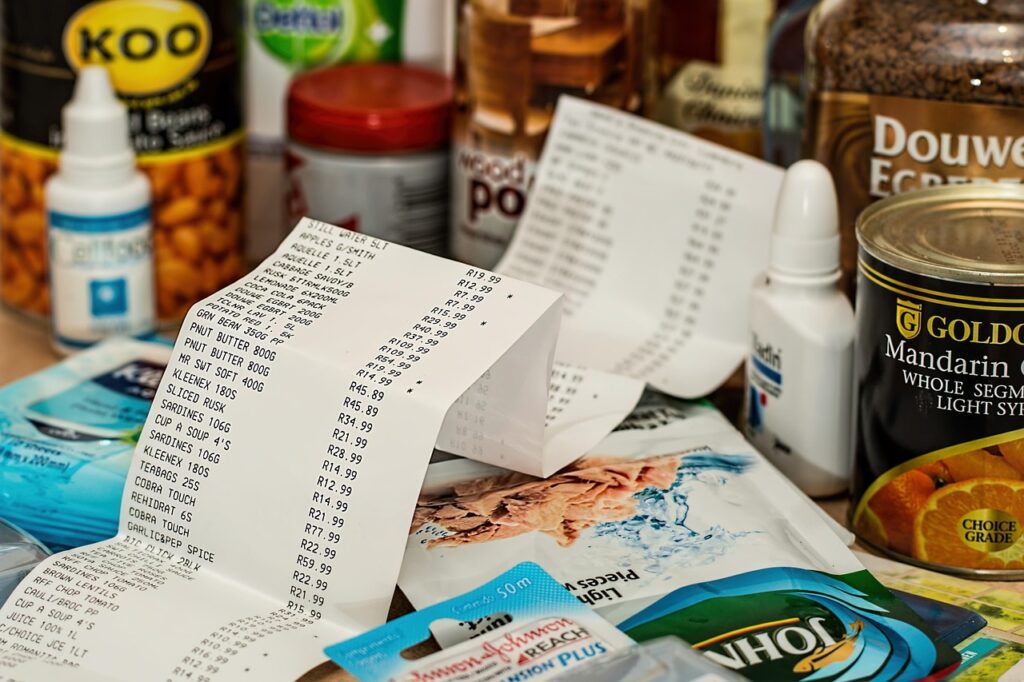
Prices for groceries are going up in many areas. Food inflation is a big reason for this. People are searching for grocery deals and discount groceries to help.
Impact on Average Household Budgets
The increase in grocery prices hits our household budgets hard. Families are now looking for ways to spend less. They want to find cheap groceries without losing quality.
Why Quality Still Matters
Even with higher prices, keeping quality in grocery shopping is key. People are trying to find a balance. They want to save money but still buy quality groceries.
Smart Planning: The Foundation of Grocery Savings
Smart planning is key to saving money on groceries. It helps you use your budget wisely. By planning your shopping, you can cut costs without losing quality.
Creating Effective Meal Plans
Starting with meal planning is crucial for frugal grocery shopping. You decide on meals for the week, look for sales, and use seasonal produce.
Weekly Planning Templates
Weekly templates make meal planning easier. They help you organize meals, create a shopping list, and stay within budget.
Incorporating Sales into Meal Plans
Adding sale items to your meal plans saves money. It also cuts down on food waste. This way, you buy groceries on a budget effectively.
Building a Strategic Shopping List
A smart shopping list is essential for budgeting. It should match your meal plan and only include what you need. Using grocery coupons can also boost your savings.
Inventory Management at Home
Managing what you have at home saves money and reduces waste. It means keeping an eye on your pantry, fridge, and freezer.
By using these strategies, you can save a lot on groceries. You’ll still get high-quality food.
Seasonal Shopping: Maximizing Quality and Minimizing Cost
One of the best ways to save on groceries is to shop for seasonal produce. Buying produce when it’s in season means you get the best taste and quality. Plus, it’s often cheaper because there’s more of it available.

Understanding Seasonal Produce Cycles
Seasonal produce cycles happen when certain fruits and veggies are at their peak. Weather, climate, and where they grow affect this. Knowing what’s in season helps you plan meals and save money on fresh, affordable produce.
Best Months to Buy Specific Foods
Each food has its own best season. Berries are perfect in early summer, while apples and squash are plentiful in fall. Knowing when to buy certain foods helps you plan and save on grocery savings. Here’s a quick guide:
- Spring: Asparagus, spinach, and strawberries
- Summer: Tomatoes, corn, and blueberries
- Fall: Pumpkins, apples, and squash
- Winter: Citrus fruits, root vegetables, and kale
Preserving Seasonal Bounty
To enjoy seasonal produce all year, you need to preserve it. Freezing and canning are two great ways to do this.
Freezing Techniques
Freezing is easy. First, blanch veggies to stop them from spoiling, then cool them fast before freezing. Fruits can usually be frozen straight, but some need a sugar syrup to keep their texture and taste.
Canning Basics
Canning involves packing food into sealed containers and heating it to kill bacteria. It’s perfect for foods high in acid, like fruits and pickled veggies. Always follow safe canning practices to avoid spoilage and foodborne illness.
By embracing seasonal shopping and learning to preserve, you can enjoy top-quality produce while saving money. This not only cuts costs but also reduces waste and supports local farmers.
Best Strategies to Save on Groceries Without Compromising
Smart grocery shopping is more than just clipping coupons. It’s about making smart choices. To save money, you need to understand prices, plan your buys, and use different savings tools.
Price Comparison Techniques
Comparing prices across stores is key to saving. You don’t have to visit each store. Many offer online comparisons, and apps help too. This way, you find the best deals on discount groceries.
Unit Price Analysis
Looking at unit prices, not just the sticker, is important. Sometimes, bigger sizes or different brands are cheaper per unit. This simple check can save a lot, making sure you get cheap groceries without losing quality.
Timing Your Shopping Trips
When you shop can affect your savings. Knowing when stores offer the best deals helps plan your trips.
Best Days of the Week
Stores often have sales on certain days. For example, some offer “weekly specials” on Wednesdays. Knowing these days helps you shop for the best grocery deals.
Best Times of Day
Shopping during off-peak hours is smart. Stores are less busy, and some offer discounts then. Also, shopping during sales tax holidays or using cashback apps can save more.
Using these strategies—comparing prices, analyzing unit prices, and timing your shopping—you can cut your grocery bills. It’s about being an informed shopper and using all the tools available.
Coupon Strategies That Actually Work
Couponing has changed a lot, making it easier to save on groceries. Now, with digital technology, we have new ways to save. These methods are more convenient and flexible.

Digital Couponing in the Modern Age
Digital couponing has changed how we save on groceries. Using store loyalty cards and mobile apps, we get discounts at checkout. This way, we don’t need to clip paper coupons, making saving easier.
Cashback and Rebate Apps
Cashback and rebate apps are now popular for saving money. They give rebates on certain items, leading to big savings over time.
Top Apps for Grocery Savings
- Ibotta
- Fetch Rewards
- Raket
These apps offer cashback on groceries, gas, and more. By using them, we can earn money back on our daily shopping.
How to Maximize Rebates
To get the most from rebates, follow these tips:
- Join many cashback apps to earn more.
- Look for special offers and bonus rebates.
- Use cashback apps with other savings like digital coupons.
Avoiding Common Coupon Pitfalls
While couponing saves money, there are traps to avoid. Don’t buy things just because they’re on sale. Also, watch out for expiration dates and cashback offer terms.
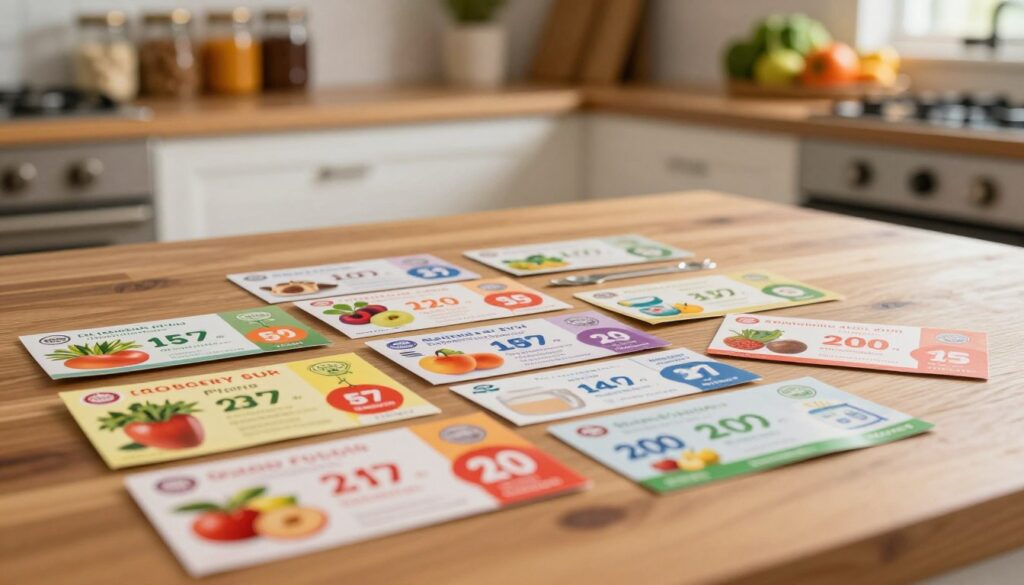
Knowing these pitfalls and using smart coupon strategies helps us save more. We can do this without giving up quality.
Loyalty Programs and Store Cards Worth Your Time
Loyalty programs are a simple way to save on groceries without losing quality. By knowing how they work and how to use them best, you can cut down your grocery costs.
Evaluating Grocery Store Rewards Programs
When looking at loyalty programs, think about the rewards they offer. Some give discounts on certain items, while others give points for cash or other rewards. It’s key to pick programs that fit your shopping style.
For example, some stores give you discounts based on what you buy before. This makes it easier to buy groceries on a budget. Look for programs that offer clear, useful deals.
Maximizing Points and Personalized Offers
To get the most from loyalty programs, learn how to use points and personalized offers well. Here are some tips:
- Sign up for digital loyalty cards to earn points and get discounts automatically.
- Use store apps to track your points and find out about special deals.
- Use loyalty program offers with sales and other discounts to save more.
Combining Loyalty Programs with Other Savings
One great way to grocery savings is to mix loyalty programs with other savings tips. This includes using digital coupons, shopping during sales, and buying in bulk.
By combining these methods, you can really cut down your grocery costs. For instance, using a loyalty program’s digital coupon with a sale item can save you a lot.
Bulk Buying: When It Saves and When It Wastes
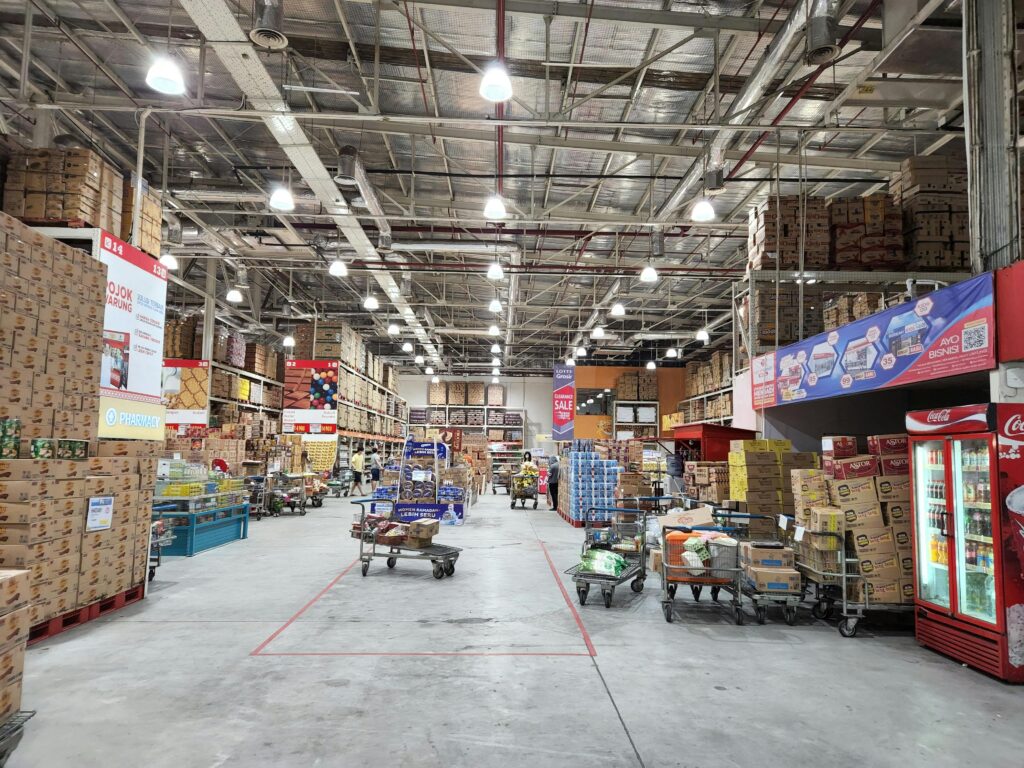
To save money by buying in bulk, you need to know what to buy and when. Buying in bulk can cut down your grocery costs. But, it’s important to avoid wasting food.
Smart Bulk Purchase Guidelines
Before buying in bulk, think about how much your family uses. Only buy in bulk if you can use it all before it spoils. For things that don’t go bad, like canned goods, buying more can save you a lot of money.
A grocery expert says, “Buying in bulk is not just about getting more. It’s about choosing wisely based on what you need.”
“The key to successful bulk buying is understanding your household’s needs and planning ahead.”
Storage Solutions for Bulk Items
Having enough space to store bulk items is key. Make sure you have room in your pantry, freezer, or cabinets. Good storage helps keep your food fresh and prevents waste.
Calculating the True Cost Per Unit
To see if buying in bulk saves money, figure out the cost per unit. Divide the total cost by the number of items. This helps you compare prices and find the best deals.
Items Worth Buying in Bulk
- Non-perishable foods like canned goods, pasta, and rice
- Personal care items such as toilet paper and shampoo
- Household cleaning supplies
Items to Avoid Buying in Bulk
- Perishable items with short shelf lives
- Products you’re not sure about or won’t use
- Items that are near their expiration dates
By following these tips and making smart choices, you can enjoy the benefits of bulk buying. This way, you can save money and avoid wasting food.
Private Labels vs. Name Brands: The Quality Comparison
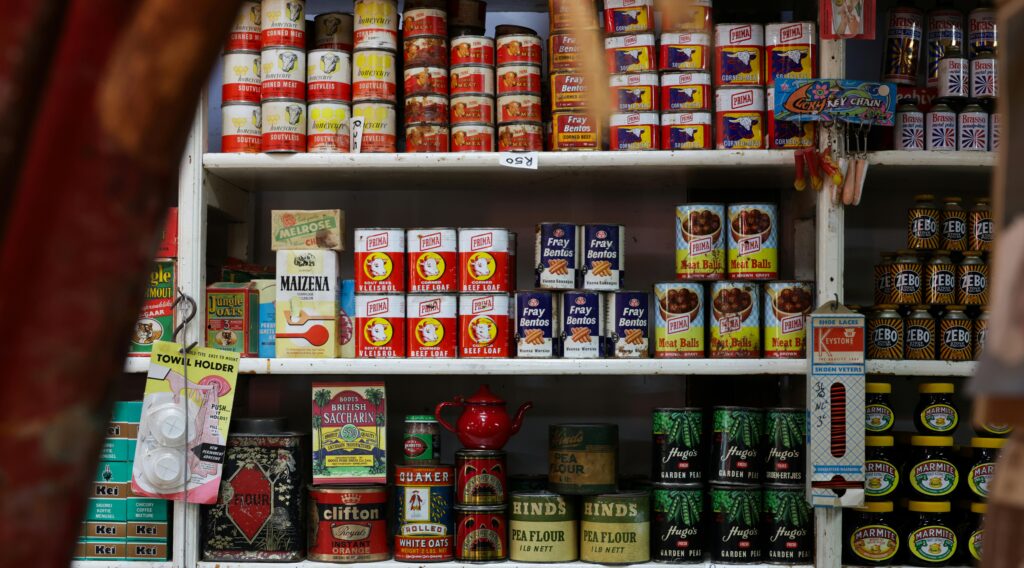
Many people want to save money on groceries. They wonder if store brands are as good as name brands but cheaper. The answer depends on knowing when store brands are a good deal and when name brands are worth more.
Categories Where Store Brands Excel
Store brands have improved a lot and are often as good as name brands in many areas. They do well in:
- Pantry staples like pasta, rice, and canned goods
- Basic dairy products such as milk, cheese, and yogurt
- Household essentials like paper products and cleaning supplies
When Name Brands Are Worth the Premium
Even though store brands are cheaper, sometimes name brands are better. This is true for:
- Specialty or gourmet foods with unique flavors or ingredients
- Products with special health or nutritional benefits
- Items where the brand’s reputation means a lot, like some baby products
Blind Taste Test Results
Blind taste tests show that many people can’t tell the difference between store brands and name brands. For example:
Pantry Staples Comparison
Tests between store-brand pasta and name-brand pasta found little difference in taste and texture.
Dairy and Produce Comparison
Store-brand dairy products like milk and cheese also scored well in taste tests. Sometimes, people even preferred them over name brands.
Knowing when store brands are a good deal and when name brands are worth it helps save money. This way, you can get quality without breaking the bank.
Reducing Food Waste to Stretch Your Grocery Budget
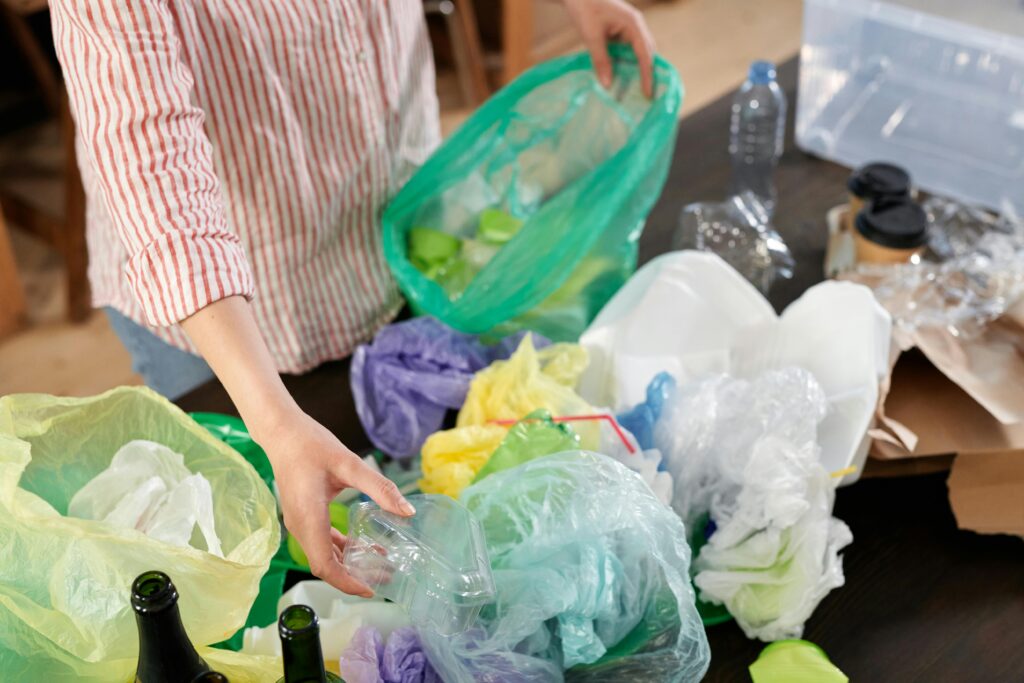
One of the best ways to save money on groceries is to waste less food. Food waste can be from expired items to leftovers that go uneaten. It can really add up and hurt your budget.
Proper Food Storage Techniques
Storing food right can help it last longer. This means keeping your fridge and pantry tidy.
Refrigerator Organization
Store raw meat, poultry, and seafood on the bottom shelf to avoid contamination. Use clear containers for leftovers and mark them with the date.
Pantry Management
Keep your pantry organized by using airtight containers for grains and beans. Make sure it’s cool, dry, and out of sunlight to keep food fresh.
Creative Uses for Leftovers
Turning leftovers into new dishes is a smart way to cut down on waste. Think about turning last night’s dinner into tomorrow’s lunch or making a soup with leftover veggies.
- Use leftover bread to make croutons or bread pudding.
- Create a new meal by combining leftovers with fresh ingredients.
- Freeze leftovers for future meals.
Understanding Food Date Labels
Knowing what the different date labels mean can help you avoid throwing away good food. “Sell by,” “use by,” and “best by” dates are often mixed up, leading to food being tossed that’s still good.
By following these tips, you can cut down on food waste and stretch your grocery budget. This not only saves you money but also helps the environment.
Conclusion: Sustainable Grocery Savings for the Long Term
Using smart ways to save on groceries can really help your budget. By planning ahead, shopping in season, and using coupons, you can get great deals. These habits can save you a lot of money in the long run.
It takes discipline and creativity to buy groceries on a budget. Using loyalty programs, buying in bulk, and cutting down on waste can help. Learning how to use these methods can make your groceries cheaper without losing quality.
It’s not just about saving money; it’s about smart shopping. Making good choices and sticking to your plan can bring big benefits. Try these tips today to see how they can lower your grocery bills.