

.Real Estate Investing in 2026 raises a big question: should you choose REITs or rental properties for stronger cash flow? The real estate market keeps evolving, shaped by the economy, new regulations, and shifting trends.
The fight between REITs and rental properties is getting fiercer. Each has its own pluses and minuses. REITs give you a wide range of properties and expert management. On the other hand, rental properties let you have more control and might bring in more money. Knowing the latest market trends and what affects investments is key to smart choices.
Before you decide, weigh the good and bad of each choice. This way, you can pick what fits your financial dreams and how much risk you’re okay with.
The Evolving Landscape of Real Estate in 2026
As we enter 2026, the real estate world is changing fast. This change brings both challenges and chances. To succeed, you must grasp the current trends and economic signs that shape the market.
Market Trends Reshaping Investment Opportunities
Several trends are shaping the real estate market. Technological advancements are changing how we manage and market properties. For example, AI is making rental property management more efficient.
There’s also a growing demand for green and eco-friendly properties. This is because more people are becoming aware of the environment.

Economic Indicators Influencing Property Values
Things like interest rates, inflation, and job rates are key to understanding property values. Keeping an eye on these indicators is crucial for smart investments. For instance, higher interest rates can raise mortgage costs, affecting your investment’s cash flow.
Grasping these dynamics is vital for doing a good real estate market analysis.
Real Estate Investing Fundamentals for 2026
In 2026, the real estate market is all about new strategies and tech. Knowing these basics is crucial for investors to succeed.
Key Investment Strategies in the Current Market
For success in 2026, adaptable investment strategies are key. Investors are spreading their bets across different types of properties. This helps reduce risks.
Data-driven decision-making is also vital. It lets investors understand market trends and make smart choices.
Another smart move is geographic diversification. Investors are exploring new areas with growth potential. This way, they avoid local market risks and find new chances.
Technology Disruptions Changing the Game
Technology is changing real estate investing, thanks to proptech. Innovations like virtual tours and blockchain are making things more efficient. Investors who use these tools can stay ahead.
Artificial intelligence and machine learning are also making a big impact. They help predict trends and optimize investments. By using these tech tools, investors can make better choices and boost their earnings.
Understanding Cash Flow Dynamics in Today’s Market
Real estate investing in 2026 is complex. Knowing about cash flow is key to success. Cash flow is vital for any real estate investment, like REITs or rental properties.
Defining Cash Flow Metrics That Matter
To check how well your real estate investments do, look at important cash flow metrics. These are Net Operating Income (NOI), Cash-on-Cash Return, and Capitalization Rate. Knowing these helps you see how well your investments are doing and make smart choices.

How 2026 Economic Conditions Impact Returns
The economy in 2026 affects cash flow from real estate. Things like interest rates, inflation, and economic growth play a big role. For example, higher interest rates can make borrowing more expensive. Inflation can also reduce the value of your rental income.
By keeping up with these economic signs and adjusting your plans, you can do well in the real estate market. This way, you can take advantage of new real estate investment opportunities.
REITs in 2026: Evolution of Passive Real Estate Investing
The year 2026 is a big year for REITs. They are changing how we invest in real estate. REITs are becoming popular for diversifying portfolios and earning steady income.
Modern REIT Structures and Opportunities
Today’s REITs offer more flexibility and growth chances. Real estate crowdfunding lets you invest in REITs with less money. This makes real estate investing more open to everyone, allowing you to invest in many properties.
Sector-Specific REIT Performance
Different REIT sectors are doing well in 2026. Knowing these trends helps you make smart investment choices.
Residential REITs Outlook
Residential REITs are doing well because people always need homes. With more people moving to cities and changing their lifestyles, these REITs are growing. They offer stable returns through rental income.
Commercial and Specialty REITs Trends
Commercial and specialty REITs are adjusting to new economic times. They focus on e-commerce and logistics. These REITs are growing fast as they meet the changing needs of businesses and consumers.

Digital and Tokenized REITs
Digital and tokenized REITs are changing real estate investing. They use blockchain technology for better transparency, liquidity, and access. This new innovation is set to change the real estate investment world, offering new chances for growth and diversification.
Rental Properties in 2026: The Direct Ownership Approach
The real estate market is always changing. Knowing how rental properties work is key to success in 2026. Investors must decide between owning properties directly or exploring other options.
Single-Family vs. Multi-Family Investment Returns
Choosing between single-family and multi-family units affects your returns. Single-family homes tend to have long-term tenants, giving stable income. Multi-family properties, however, can bring in more money because of multiple renters.
| Property Type | Average Return | Management Complexity |
|---|---|---|
| Single-Family | 8-10% | Low |
| Multi-Family | 12-15% | High |
Short-Term Rentals and Alternative Models
Short-term rentals have become popular. Vacation rentals can earn more per night than long-term leases. But, they also present challenges like frequent turnovers and strict rules.
Vacation Rental Platforms and Profitability
Platforms like Airbnb make it easier to rent out properties. To earn more, pick in-demand areas and offer competitive prices and amenities.
“The key to success in short-term rentals is understanding your local market and adapting your strategy accordingly.” – Real Estate Expert
Co-living and Flexible Housing Models
Co-living and flexible housing are becoming more popular, especially with younger people. These options can lead to higher earnings due to shared living and flexible leases.

When planning your 2026 investments, consider the pros and cons of different rental models. Knowing the details of single-family, multi-family, and alternative rentals helps you make smart choices that fit your goals.
Cash Flow Comparison: REITs vs. Rentals in 2026
Exploring real estate investment options in 2026? It’s key to know how REITs and rental properties handle cash flow. Each has its own pluses and minuses, affecting your earnings.
Income Generation Potential
It’s vital to compare how much money REITs and rental properties can make. Look at the dividend yields from REITs and the rental yields from owning property.
Dividend Yields vs. Rental Yields
REITs often offer higher dividend yields than other stocks. Rental yields, however, depend on the property’s location, how often it’s rented, and how well it’s managed. Here’s a table showing the average yields from REITs and rental properties in major U.S. cities:
| Investment Type | Average Yield | Growth Potential |
|---|---|---|
| REITs | 4.5% | High |
| Rental Properties (Major U.S. Cities) | 3.8% | Moderate |
Growth Projections Through 2030
REITs are expected to keep providing stable income with growth chances. This is due to their expanding portfolios and rising demand for real estate. Rental properties’ growth will vary based on local markets and the economy.

Expense Ratios and Operating Costs
It’s crucial to understand the costs of REITs and rental properties to boost your cash flow.
REIT Management Fees and Overhead
REITs have management fees and operational costs that can reduce your earnings. These costs differ by REIT but are usually clear in financial reports.
Property Maintenance and Management Expenses
Rental properties need direct management and upkeep. This includes property taxes, insurance, repairs, and possibly hiring a property manager. These costs can greatly affect your net cash flow.
In summary, both REITs and rental properties have cash flow chances in 2026. By examining their income and costs, you can choose wisely based on your investment goals.
Tax Strategies for Maximizing Real Estate Returns
Investing in real estate in 2026 requires knowing about tax strategies. Good tax planning can greatly increase your earnings. This is true for both REITs and rental properties.
REIT Tax Advantages and Considerations
REITs have tax benefits that can boost your investment. They are pass-through entities, so they don’t pay corporate income tax if they distribute 90% of their income to shareholders. This leads to higher dividend yields for you. Yet, it’s important to remember that REIT dividends are taxed as ordinary income.
| REIT Type | Tax Implications | Dividend Yield |
|---|---|---|
| Equity REIT | Taxed as ordinary income | 4-6% |
| Mortgage REIT | Taxed as ordinary income | 6-8% |
| Hybrid REIT | Taxed as ordinary income | 5-7% |
Rental Property Deductions and Depreciation Benefits
Rental properties offer tax deductions that can lower your taxable income. You can deduct operating costs, mortgage interest, and property taxes. Depreciation also lets you recover the property’s cost over 27.5 years for homes. This can lead to big tax savings, especially in the first years.

By using these tax strategies, you can get the most out of real estate investments. Whether in REITs or rental properties, getting advice from a tax expert is key. They can help you use all tax benefits available.
Liquidity and Capital Access in Real Estate Markets
Getting access to capital and keeping liquidity is crucial for real estate investors. In 2026, the real estate world is changing fast. It’s important for investors to know about real estate crowdfunding and other real estate investment opportunities.
REIT Trading Flexibility
REITs (Real Estate Investment Trusts) are a liquid way to invest in real estate. Unlike direct property, REITs can be bought and sold on major stock exchanges. This makes them a great option for investors who need quick access to capital.
Equity Extraction from Rental Properties
Investors in rental properties can use equity extraction to get capital. By refinancing or using home equity lines of credit, they can access funds for new investments or other needs. But, this approach comes with costs and risks that need careful thought.
Financing and Leverage in 2026’s Interest Rate Environment
The interest rate environment in 2026 offers both challenges and chances for real estate investors. It’s key to know how to use financing and leverage well. This helps investors get the most from their real estate investments.
Mortgage Trends for Rental Property Investors
In 2026, mortgage trends for rental property investors are changing. There’s a move towards more flexible and new financing options. “The rise of non-traditional lenders and alternative financing options is providing rental property investors with more choices than ever before,” says a leading real estate finance expert. Investors are using these options to get better terms and improve their cash flow.
Some key mortgage trends include:
- Increased use of adjustable-rate mortgages to capitalize on lower initial rates
- Greater emphasis on loan-to-value ratios to manage risk
- Growing popularity of interest-only mortgages for certain investment properties
Debt Structures in REIT Portfolios
Real Estate Investment Trusts (REITs) are also adjusting their debt structures for 2026. REITs are using different strategies to handle their debt, including:
- Fixed-rate debt to lock in low rates
- Variable-rate debt for flexibility
- Hybrid debt structures that combine elements of both
As Mark Roberts, a REIT industry analyst, notes, “The key to successful debt management in REIT portfolios is the ability to balance risk and opportunity in a changing interest rate landscape.” By managing their debt well, REITs can stay financially stable. They can also keep delivering strong returns to investors.
Risk Assessment and Mitigation Strategies
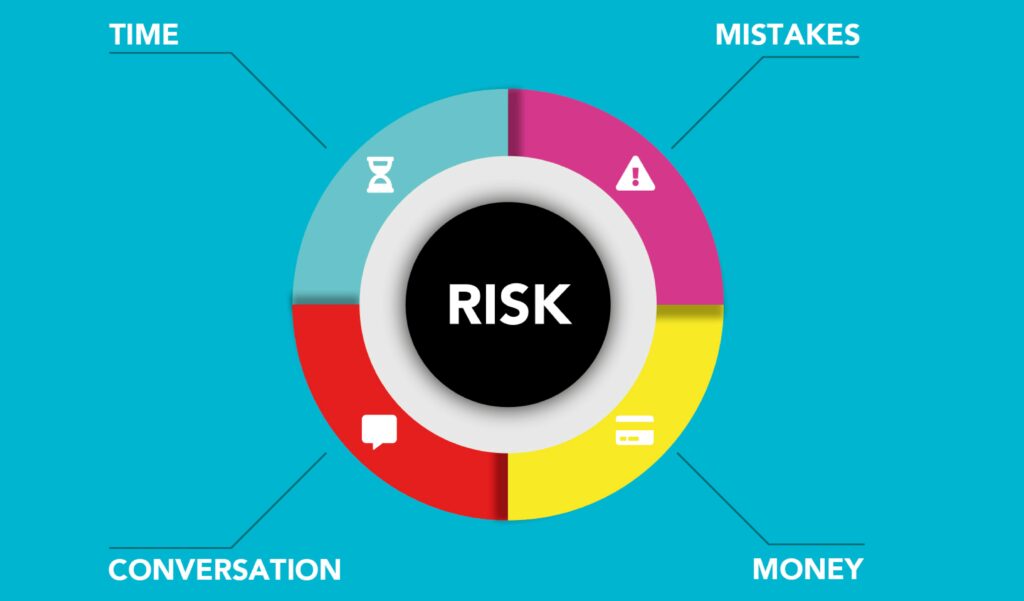
Real estate investing in 2026 is complex. Knowing the risks is key to smart decisions. Investments in REITs or rental properties have risks that can change your returns. It’s vital to assess and manage these risks to protect your investments and achieve long-term success.
Market Volatility Impact on REITs
REITs face market volatility, which can change their prices and dividends. Economic shifts, interest rate changes, and market mood can cause this. To lessen these risks, diversify your REIT portfolio across various sectors and locations.
For example, mixing residential, commercial, and industrial REITs can spread out risk. Also, keeping up with market trends and economic signs through real estate market analysis helps in making quick decisions.
Geographic and Property-Specific Risks for Rentals
Rental properties have their own risks, like location and property-specific challenges. The location greatly affects rental income and property value. Areas at risk of natural disasters or economic downturns are especially risky.
To reduce these risks, research the local market well and pick properties in stable, growing areas. Regular property upkeep and keeping up with local trends are important real estate investing tips for rental property risks.
By understanding these risks and using effective strategies, you can make your real estate investments more resilient. This can lead to better returns overall.
Conclusion: Building Your Optimal Real Estate Portfolio
Investing in real estate in 2026 is complex. You need to understand how different factors affect your cash flow. Knowing about REITs and rental properties helps you make better choices for your portfolio.
When you’re building your portfolio, think about your goals, how much risk you can take, and when you need your money. Use real estate investment strategies to get the most out of your investments. Whether it’s through REITs or rental properties, diversifying and staying informed are key.
The real estate world is changing fast in 2026. New tech and economic shifts are driving these changes. By keeping up with trends and adjusting your strategy, you can succeed in real estate investing for the long haul.
Your ideal real estate portfolio depends on your personal situation and goals. By carefully looking at your options and making smart choices, you can build a portfolio that brings in good cash flow. This will help you reach your financial targets.