

Retirement Budgeting: Will Your Lifestyle Survive the Transition? Smart financial planning today secures tomorrow’s freedom. Without savings, your future is at risk—act now. Retirement Budgeting is essential for maintaining your lifestyle.
Creating a retirement budget calculator is a big step in saving enough. It helps you understand your future expenses and income. This way, you can make smart financial plans.
Starting early with retirement budgeting helps you manage your money well. It ensures a comfortable retirement. It’s about making wise choices today for a better tomorrow.
Understanding Your Retirement Financial Needs
The Importance of Retirement Budgeting
Retirement planning begins with knowing your financial needs. It’s crucial to look at your current financial state to secure your future.
Assessing Your Current Financial Situation
Start by collecting data on your income, expenses, assets, and debts. This will help you understand your financial health.
Key factors to consider:
Part of effective Retirement Budgeting is identifying potential savings opportunities.
- Income sources
- Fixed expenses
- Debts
- Savings
- Investments
Knowing these details helps you spot areas to improve for your retirement goals.
| Category | Current Amount | Projected Retirement Amount |
|---|---|---|
| Income | $50,000 | $60,000 |
| Expenses | $30,000 | $40,000 |
| Savings | $100,000 | $200,000 |
Understanding your retirement costs through careful Retirement Budgeting can prevent financial stress later.
Remember, Retirement Budgeting is not a one-time task, but an ongoing process.
By evaluating your current finances, you can make a better retirement plan.
Creating a Retirement Budget
Figuring out your retirement costs is key to planning for retirement. To make a detailed retirement budget, you must think about many things that affect your spending in retirement.
Estimating Retirement Expenses
Your costs in retirement will likely be different from what you spend before retiring. Important things to think about include housing, healthcare, food, transportation, and entertainment. If you downsize or pay off your mortgage, housing costs might go down. But, healthcare costs often go up as you get older.
Effective strategies in Retirement Budgeting can lead to a more enjoyable and secure lifestyle.
Healthcare is a big worry because it gets pricier with age. It’s important to plan for medical costs. Don’t forget to think about travel, hobbies, and other fun activities you might do in retirement.

To get a good idea of your retirement costs, start by tracking your current spending. Then, adjust it based on what you think your retirement lifestyle will be like. You can also use online budget calculators to make it easier.
- Look at your current spending to see how you use your money.
- Think about how your spending might change in retirement.
- Use online tools or talk to a financial advisor to make a budget just for you.
By carefully figuring out your retirement costs and making a realistic budget, you can have a secure retirement financially.
Retirement Savings Options
There are many retirement savings plans to choose from. It’s important to pick the ones that fit your needs. Knowing your options helps you make smart choices for your future.
Retirement Savings Plans
Retirement plans help you save for later years. 401(k) plans and IRA plans are two common ones. A 401(k) is offered by your employer, letting you save before taxes. An IRA is for you to manage on your own.
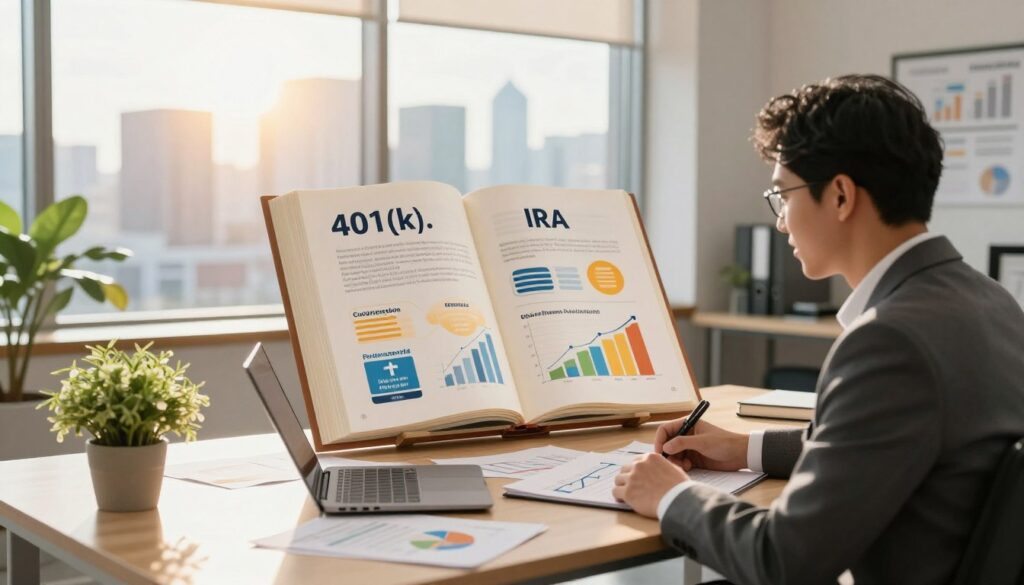
As certified financial planner Jane Doe says, “Picking the right plan is key to saving well and enjoying retirement.”
“The biggest risk in retirement is not having enough money to support your lifestyle. With the right savings plan, you can mitigate this risk and enjoy your retirement with peace of mind.”
Here’s a comparison of popular retirement savings plans:
| Plan Type | Contribution Limits | Tax Benefits |
|---|---|---|
| 401(k) | $19,500 (2022 limit) | Pre-tax contributions |
| IRA | $6,000 (2022 limit) | Pre-tax or Roth (after-tax) |
When choosing a plan, think about limits, tax benefits, and investments. Understanding these helps you pick a plan that matches your retirement dreams.
Investing for Retirement
Investing for retirement needs a smart plan to reach your financial goals. A key part of this plan is asset allocation. It means spreading your investments across different types to balance risk and aim for better returns.
Asset Allocation Strategies
Asset allocation varies based on your retirement goals, how much risk you can take, and when you plan to retire. A mix of stocks, bonds, and other investments can help you handle market ups and downs.
Key Considerations for Asset Allocation:
- Risk Tolerance: How well you can handle market swings.
- Time Horizon: The longer you have until retirement, the bolder you can be.
- Diversification: Spreading investments across various asset classes.
Let’s look at a simple example of how asset allocation works in a retirement portfolio:
| Age | Stocks | Bonds | Other Investments |
|---|---|---|---|
| 40 | 60% | 30% | 10% |
| 50 | 50% | 40% | 10% |
| 60 | 40% | 50% | 10% |

As you get closer to retirement, it’s crucial to check and tweak your asset allocation. This might mean moving to safer investments or looking into other ways to make money.
Retirement Income Sources
Your retirement income can come from many places. Knowing how to make the most of these sources is key to financial stability. As you plan for your retirement, it’s important to understand the different income streams available to you.
Social Security Benefits
For many Americans, Social Security benefits are a main source of retirement income. Learning how to get the most out of these benefits is crucial for your retirement finances.
Here are some key considerations for Social Security benefits:
- Eligibility Age: Knowing when you’re eligible to start receiving benefits.
- Full Retirement Age: Understanding the age at which you can receive full benefits.
- Delayed Retirement Credits: How delaying your benefits can increase your monthly payments.
- Spousal Benefits: Eligibility and how to maximize benefits for you and your spouse.
By carefully planning when to start receiving Social Security benefits, you can create a more stable financial foundation for your retirement.
Other retirement income sources include pensions, retirement accounts (like 401(k) or IRA), and personal savings. Diversifying your income streams can help ensure a more secure financial future.
Managing Retirement Expenses
To have a secure retirement, it’s key to know how to handle your expenses. When you retire, you’ll need to balance your income with your costs. This helps keep your lifestyle comfortable.
Housing Costs
Housing is a big expense in retirement. You might still be paying off a mortgage or renting. Either way, housing costs can take up a lot of your retirement income.
To manage housing costs well, try these strategies:
- Downsizing to a smaller home can cut your housing costs and give you equity.
- Renegotiating your mortgage or rental agreement might lower your monthly payments.
- Looking into senior living communities or shared housing can also save money.
| Housing Option | Average Cost | Potential Savings |
|---|---|---|
| Downsizing to a smaller home | $150,000 | $500-$1,000 per month |
| Senior living community | $3,000 per month | $500-$1,000 per month |
| Shared housing | $1,500 per month | $500-$1,000 per month |
Healthcare Costs
Healthcare expenses are a big deal in retirement. As you get older, these costs usually go up. It’s important to plan for them.
To handle healthcare costs, think about these options:
- Investing in a health savings account (HSA) can offer tax benefits and help save for medical bills.
- Knowing your Medicare options and any extra insurance can lower what you pay out of pocket.
- Keeping healthy with regular exercise and a good diet can also cut down on healthcare costs over time.

By understanding and managing your housing and healthcare costs, you can have a more secure and enjoyable retirement.
Tax-Efficient Withdrawal Strategies
Knowing how to take money out of your retirement accounts wisely is key to a long, financially secure life. As you enter retirement, managing your withdrawals is crucial. It helps you keep more of your savings and enjoy your income.
Understanding Tax Brackets in Retirement
In retirement, your tax bracket can greatly impact your savings. Tax-deferred accounts like 401(k)s and traditional IRAs are taxed when you withdraw. Knowing how your withdrawals might affect your tax bracket is vital.
For example, if you’re in a lower tax bracket, it might be smart to take more from tax-deferred accounts. On the other hand, if you’re in a higher bracket, consider taking from taxable accounts first.
| Account Type | Tax Implications | Withdrawal Strategy |
|---|---|---|
| Tax-Deferred (401(k), Traditional IRA) | Taxed as ordinary income | Withdraw strategically to avoid higher tax brackets |
| Taxable (Brokerage Accounts) | Capital gains tax applies | Consider withdrawing from accounts with lower tax rates first |
| Roth IRA | Tax-free if qualified | Use for tax-free income in retirement |
Retirement Budget Calculators
Retirement budget calculators are very useful for planning your withdrawals. They let you try out different scenarios. This includes different withdrawal rates and tax effects, to see how they impact your finances.
“A retirement budget calculator can help you forecast your expenses and income in retirement, enabling you to make more informed decisions about your withdrawal strategies.” – Financial Planning Association
By knowing your tax brackets and using these calculators, you can create a withdrawal plan. This plan will help you keep more of your retirement income.

Managing Housing and Healthcare Costs
Managing housing and healthcare costs is key to a stress-free retirement. When planning, think about different housing options. These can help cut costs and make your finances more secure.
Withdrawal strategies should be part of your overall Retirement Budgeting approach.
Housing Options for Retirees
Consider the implications of your withdrawals in the context of your Retirement Budgeting.
Retirees have many housing choices, each with its own pros and cons. Downsizing to a smaller home can lower costs. This includes mortgage, taxes, and upkeep expenses.
Downsizing Strategies
Utilizing a Retirement Budgeting calculator can help streamline your financial planning process.
When downsizing, look at your finances first. Figure out how much you can save by moving to a smaller place. Here are some tips:
- Check your current home’s value and selling price.
- Look into the cost of living in different places to find the best deals.
- Think about the costs of downsizing, like moving expenses.
Reverse Mortgages
Regular adjustments to your Retirement Budgeting can help you stay aligned with your financial goals.
A reverse mortgage is another option for retirees. It lets you use your home’s equity for extra income. But, it’s important to know the terms and risks.
Seek professional advice if you’re unsure about any aspect of your Retirement Budgeting.
| Housing Option | Benefits | Considerations |
|---|---|---|
| Downsizing | Lower housing costs, big savings possible | Moving costs, emotional impact |
| Reverse Mortgage | Extra income, stay in your home | Accumulate debt, affect inheritance |
Managing housing and healthcare costs needs careful planning. Look into different housing choices and their effects. This way, you can make smart decisions for your financial health in retirement.
Working with Financial Professionals
Retirement planning can be complex. It often needs the help of financial experts. The choices you make can greatly affect your financial future and lifestyle.
Financial advisors can offer personalized advice. They help create a detailed retirement plan. This includes investment strategies, tax planning, and estate planning.
When to Consult a Financial Advisor
There are many times to seek a financial advisor’s help. For example, if you’re unsure about managing your retirement savings. They can also help create a steady income stream.
Key scenarios to seek professional advice include:
- When you’re nearing retirement and need to make final decisions about your retirement accounts.
- If you’re considering non-traditional retirement savings options, such as reverse mortgages or annuities.
- When you’re unsure about how to minimize taxes on your retirement withdrawals.

Working with financial experts can give you peace of mind. Your retirement plan will be well-structured and meet your goals. Remember, a successful retirement is not just about saving. It’s also about making smart decisions for your long-term financial health.
Securing Your Financial Future
When you’re planning for , it’s key to have a detailed plan. You need to know how much money you’ll need, look into different ways to save, and figure out the best way to take money out. This way, you can make sure you’re set for the future.
is not just about saving. It’s about making sure you have enough money to live comfortably. You can do this by having different sources of income, managing your living costs, and getting help from financial experts when you need it.
Remember, planning for is an ongoing process. You need to keep up with the market and any changes in your life. By doing this, you can have a retirement that’s both fulfilling and meets your dreams.
Retirement Budgeting is a critical element in securing your future financial stability.