

Savings are essential—nearly 40% of Americans can’t cover a $400 emergency. Building a safety net is key, and automating your savings makes it easier.”
Setting up savings automation is simple, taking just a few minutes, says Kennebec Savings Bank. It helps you save consistently for goals like an emergency fund, retirement, or a vacation.
Automatic savings tools help you reach your financial goals without effort. This method builds a savings habit. It’s a reliable way to achieve your goals.
Why Automation Is the Key to Successful Saving
Automating your savings can change the game for reaching your financial goals. It uses technology to save automatically. This way, you can build a consistent savings habit without always having to do it yourself.
The Psychology Behind Automated Savings
The idea behind automated savings is about forming habits. When you set up automatic savings, it becomes a regular part of your routine. This makes it less likely to be forgotten.
A study shows that automatic transfers help keep your savings on track. As Bank of America points out, “automatic transfers can make saving easier and less prone to being neglected.”
“The key is not to prioritize what’s on your schedule, but to schedule your priorities.”
Statistics on Manual vs. Automated Saving Success Rates
Studies show that automated saving is more successful than manual saving. Many people who use automated savings tools save more and feel more financially stable. For example, a survey found that those using automated tools were more likely to reach their savings goals than manual savers.

Looking at the psychological benefits and the stats, it’s clear that automation is key to saving successfully.
The Power of Automated Savings in Today’s Financial Landscape
In today’s fast-paced world, automated savings is key. First National Bank and Trust says automating your savings is essential. It makes saving easier and keeps you consistent, which is vital for success.
The Basic Principles of Savings Automation
The core of savings automation is setting clear financial goals and using technology to reach them. First, define your savings targets. Then, pick the right tools and set them to move money into your savings or investments regularly.
Different Types of Automated Savings Methods
There are many automated savings options, each suited for different needs. These include:
- Recurring transfers: Moving money from checking to savings or investments regularly.
- Round-up savings: Adding a bit extra to your purchases and saving it.
- Automated investment: Investing a set amount at regular times into various portfolios.

Setting Up Your First Automated Savings Plan
To start your first automated savings plan, first assess your finances and set your savings goals. Pick a tool that suits you, like a banking app or a savings app. Set it to move money for you, based on how often and how much you want.
By doing this, you’ll create a solid automated savings plan. It will help you reach your financial goals without needing to do it all yourself.
Banking Apps With Built-in Savings Features
Many banking apps now have cool savings features. These features help users save money automatically. This is a big step forward in managing personal finances.
Major Banks Offering Automated Savings Tools
Big banks in the U.S. have added automated savings tools to their apps. These tools make saving easier and less likely to be forgotten.
Chase Autosave
Chase has a feature called Autosave. It lets customers set up automatic transfers from checking to savings. They can choose how often the transfers happen.
Bank of America Keep the Change
Bank of America has “Keep the Change.” It rounds up debit card purchases to the nearest dollar. Then, it transfers the extra to savings. This helps build savings without much effort.
Wells Fargo Automatic Savings Plan
Wells Fargo has an Automatic Savings Plan. It lets customers move money from checking to savings or investments automatically. They can set it up based on their goals and schedule.
| Bank | Automated Savings Feature | Description |
|---|---|---|
| Chase | Autosave | Automatic transfers from checking to savings on a chosen schedule. |
| Bank of America | Keep the Change | Rounds up debit card purchases and transfers the difference to savings. |
| Wells Fargo | Automatic Savings Plan | Transfers funds from checking to savings or investment accounts automatically. |
Round-Up Features and How They Work
Features like Bank of America’s “Keep the Change” round up debit card purchases to the nearest dollar. The extra is then saved. This method is subtle but effective, adding up savings over time without big changes in spending.

Dedicated Savings Apps Worth Downloading
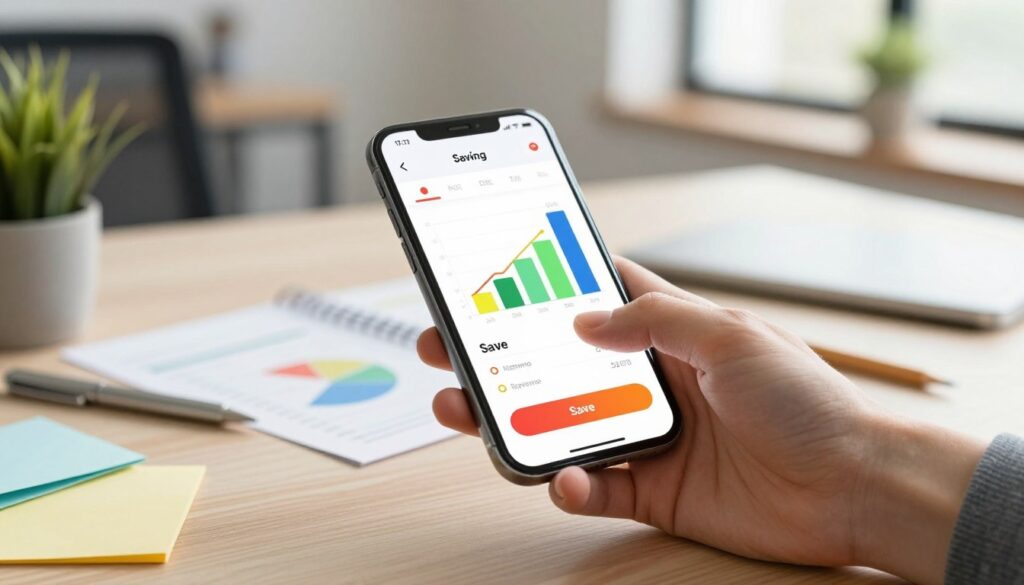
Dedicated savings apps are key for managing money well. Kennebec Savings Bank says they make saving easier. These apps have features to help you save without effort.
Acorns: Investing Your Spare Change
Acorns lets you invest spare change into a mix of investments. It rounds up your purchases and puts the change into your investments. It’s great for beginners because it’s low-risk.
Digit: AI-Powered Savings
Digit uses AI to look at how you spend money and saves small amounts for you. It picks the right amount to save based on your spending. This way, your savings grow without hurting your wallet.
Qapital: Rule-Based Saving
Qapital lets you set your own savings rules. You can save a set amount after buying something or for a specific goal. It’s customizable, making it good for different financial plans.
Other Notable Savings Apps
There are more savings apps worth checking out. Chime has a savings account with automatic features. Albert offers a full financial management platform with savings tools. Empower provides various financial services, including automated savings. These apps help you reach your savings goals in different ways.
Investment Platforms With Automated Savings Features
In today’s world, investment platforms with automated savings are becoming more popular. These platforms have tools that help people save and invest money easily.
Robo-Advisors That Automate Your Investments
Robo-advisors are a favorite for automated savings. They use smart algorithms to manage your investments. This makes saving money affordable and efficient.
Betterment
Betterment is a well-known robo-advisor. It offers automated investment management. It has portfolios for different risk levels and financial goals.
Wealthfront
Wealthfront is another top robo-advisor. It automates investment management. It also offers financial planning and investment services.
M1 Finance
M1 Finance lets users create their own investment portfolios. It offers automated management and rebalancing.
Brokerage Accounts With Recurring Investment Options
Many brokerage accounts now have recurring investment options. These make it easy to save money regularly.
Fidelity
Fidelity is a well-known brokerage firm. It offers recurring investment options. It has a wide range of investment products and services.
Vanguard
Vanguard is famous for its low-cost index funds and ETFs. It has recurring investment options. This makes saving easy.
Charles Schwab
Charles Schwab is a trusted brokerage firm. It offers automated investment options. It has a variety of investment products and services, including robo-advisory services.
Using these investment platforms can help you set up a strong automated savings system. Whether through robo-advisors or traditional accounts, automating your savings can help you reach your financial goals faster.
Employer-Sponsored Automated Savings Programs
Many employers now offer automated savings programs as part of their employee benefits package. These programs make saving easier and less likely to be forgotten. By using these plans, employees can automate their savings and make steady progress toward their financial goals.
401(k) and Retirement Plan Automation
One of the most common automated savings programs is the 401(k) or similar retirement plans. These plans let employees contribute a part of their salary to a retirement account before taxes.
Setting Up Automatic Contributions
Setting up automatic contributions to a 401(k) plan is easy. Employees can pick a percentage of their salary to be deducted and put into their 401(k) account with each paycheck.
Auto-Escalation Features
Some 401(k) plans have auto-escalation features. These features automatically increase the contribution rate over time. For example, the contribution rate might go up by 1% each year until it reaches a set maximum.
HSAs and Other Pre-Tax Savings Opportunities
Besides 401(k) plans, employers may offer other pre-tax savings options. These include Health Savings Accounts (HSAs) and Flexible Spending Accounts (FSAs).
Health Savings Accounts
HSAs let employees save for medical expenses in a tax-advantaged way. Contributions to HSAs are made before taxes, and the funds can be used for qualified medical expenses.
Flexible Spending Accounts
FSAs allow employees to set aside pre-tax dollars for specific expenses, like healthcare or childcare costs. While FSAs have a “use it or lose it” rule, they can still help manage predictable expenses.
| Savings Vehicle | Pre-Tax Contributions | Use of Funds |
|---|---|---|
| 401(k) | Yes | Retirement |
| HSA | Yes | Medical Expenses |
| FSA | Yes | Healthcare/Childcare Expenses |

By using these employer-sponsored automated savings programs, employees can greatly improve their financial health. Whether through 401(k) plans, HSAs, or FSAs, automating savings helps individuals reach their long-term financial goals.
Setting Up Your Automated Savings System
Setting up an automated savings plan starts with knowing your financial goals. It’s a smart way to grow your wealth over time. But, it needs careful planning and the right tools.
Creating a Savings Strategy Based on Your Goals
To make a good automated savings plan, first set your financial goals. Are you saving for a quick trip or for retirement? An article from Kennebec Savings Bank says setting clear goals helps figure out how much to save each week or month. Your goals will tell you how much and how often to save.
Determining the Right Amount to Save Automatically
Finding the right amount to save depends on your income, spending, and goals. Begin by looking at your budget to see how much you can save without trouble. The 50/30/20 rule is a good starting point: 50% for needs, 30% for wants, and 20% for saving and paying off debt.
Scheduling and Frequency Considerations
How often you save is key. You must choose between weekly, bi-weekly, or monthly transfers.
Weekly vs. Bi-weekly vs. Monthly Transfers
Weekly transfers are good for those with changing income or bills. They let you adjust your savings often. Bi-weekly transfers match many pay schedules, making regular savings easier. Monthly transfers are simpler and less often, best for those with steady finances.
Aligning With Your Paycheck Schedule
It’s wise to save with your paycheck. This way, you save a part of your income right away. Experts say saving with your income helps you stay on track with your savings plan.
Maximizing Your Automated Savings Success
To really boost your automated savings, you need a solid plan. A Bank of America report shows that using more than one tool can make a big difference.
Combining Multiple Automation Tools
Using different tools can make your savings plan stronger. For example, you can link a banking app with round-up features to a savings app like Qapital or Digit. This way, you save money from various parts of your life, increasing your total savings.
Gradually Increasing Your Automated Savings
As your income rises, so should your savings. Adjust your savings apps or banking tools to save more. This keeps your savings rate in line with your income, helping you grow your wealth faster.
Monitoring and Adjusting Your System
It’s important to check your automated savings system often. Look at your accounts to see if you’re reaching your savings goals. If not, tweak your savings settings to match your financial goals better.

Overcoming Common Challenges With Automated Savings
Automating your savings is a smart move, but you might face some hurdles. It’s important to know these challenges and how to beat them for lasting success.
Dealing With Income Fluctuations
Changes in income can affect your savings. Kennebec Savings Bank says automating your savings helps keep you on track. To handle this, create a flexible savings plan that changes with your income. Or, pause your savings when your income is low.
Avoiding Overdraft Fees
Overdraft fees can hurt your savings plan. To dodge these fees, keep some money in your checking account. Also, set up alerts for low balances. Banks with overdraft protection can move money from savings or credit cards to help.
Staying Motivated When Progress Seems Slow
It’s hard to stay motivated when progress is slow. Celebrate every small win. Use apps like Qapital or Digit to track your savings and stay excited.
| Challenge | Solution |
|---|---|
| Income Fluctuations | Flexible savings plans or pausing automated savings |
| Overdraft Fees | Maintaining a checking account cushion or overdraft protection |
| Slow Progress | Celebrating milestones and using progress-tracking apps |
Conclusion: Set It and Forget It for Financial Success
Automating your savings is a simple way to reach financial success. With automated savings tools, your savings grow steadily. You don’t need to keep checking on them.
First National Bank and Trust says automating savings is key to success. It’s a “set and forget” method. This helps you build a safety net and reach long-term goals.
Automated savings systems help you move towards financial stability. You can use banking apps, savings apps, or employer programs. There’s something for everyone.
Automating your savings brings big financial gains over time. Begin your automated savings journey today. See your financial success grow.