

Planning for retirement is key to a secure financial future. Many people make critical errors that can be avoided with good planning.
Common retirement planning missteps include not maximizing retirement savings. They also underestimate the length and costs of retirement.
By knowing these common pitfalls, you can take steps to ensure a comfortable retirement. Proper planning is essential to avoid these financial missteps.
The Critical Role of Retirement Planning in Financial Security
Retirement security isn’t just luck. It’s the result of smart planning. Good planning helps keep your lifestyle the same, without money worries.
Why Proper Planning Determines Your Retirement Quality
Good planning makes retirement great. It means looking at what you spend, how much you make, and what you want to do. A good plan lets you enjoy your interests without money stress.

The Financial Consequences of Poor Planning
Bad planning can hurt your wallet big time. Mistakes include not knowing what you’ll spend, not saving enough, and ignoring inflation. These financial mistakes in retirement can make your life less enjoyable.
| Consequence | Impact |
|---|---|
| Underestimating Expenses | Reduced lifestyle quality |
| Insufficient Savings | Financial strain |
| Ignoring Inflation | Eroded purchasing power |
Setting Realistic Retirement Goals
Setting smart goals is key to financial security. You need to figure out what you’ll need, think about where your money will come from, and make a savings plan. This way, you can avoid common mistakes and have a secure retirement.
Understanding the value of planning and acting early can make your retirement happy and secure.
Not Starting Early Enough: The Costliest Mistake
Starting to save for retirement early is key. Waiting too long can lead to big financial gaps. Compound interest is a powerful tool that can grow your savings over time.
How Compound Interest Builds Wealth Over Time
Compound interest adds interest on top of interest. This snowball effect can greatly increase your retirement savings. For example, saving $5,000 a year at a 7% return can grow to over $500,000 in 30 years.

The Real Cost of Delaying Retirement Savings
Waiting to start saving can be very costly. Starting at 25 instead of 35 can make a huge difference. The extra decade of compound interest matters a lot.
| Age Started Saving | Total Savings at 65 |
|---|---|
| 25 | $1,000,000 |
| 35 | $500,000 |
| 45 | $250,000 |
Catch-Up Strategies for Late Starters
If you’ve delayed saving, there are ways to catch up. Using catch-up contributions in retirement accounts can help. You can also look into other income sources or adjust your retirement plans.
It’s important to check and update your retirement plan often. This ensures you’re on track to meet your goals. By starting early and using compound interest, you can secure a better financial future.
Underestimating Your Retirement Needs
Many people underestimate what they need for a good retirement. They don’t plan well, which can lead to financial trouble later on.
Calculating Your True Retirement Number
Finding out how much you need for retirement is key. You must think about your living costs, travel dreams, and health expenses. Creating a detailed budget is important to cover all your spending.

The Hidden Impact of Inflation Over Decades
Inflation can make your money worth less over time. Even a small inflation rate can double living costs in about 30 years. It’s important to think about inflation when planning for retirement.
Accounting for Rising Healthcare Costs
Healthcare costs tend to go up as you get older. It’s smart to include these costs in your retirement plan. Looking into long-term care insurance can help with these expenses.
Planning for 30+ Years of Retirement
With people living longer, planning for 30 or more years of retirement is common. You’ll need a big nest egg to keep your living standard up.
To avoid underestimating your retirement needs, thorough financial planning is essential. You should regularly check and update your retirement plan. This ensures it meets your needs and goals.
The Biggest Retirement Mistakes That Deplete Your Savings
Many people unknowingly waste their retirement savings by making big financial mistakes. These errors can really hurt their retirement, making it less comfortable or even causing financial trouble.
One big retirement savings blunder is not using employer matching contributions. When employers match what you put into retirement accounts like 401(k) or 403(b), it’s like getting free money. This can greatly increase your savings over time.
Failing to Maximize Employer Matching Contributions
Not using employer matching means missing out on free money. For example, if an employer matches 50% of what you contribute up to 6% of your salary, you need to contribute at least 6%. This simple step can really boost your retirement savings.
Taking Early Withdrawals and Loans From Retirement Accounts
Another financial mistake in retirement is taking money out early or getting loans from retirement accounts. This can lead to penalties, taxes, and a big drop in your savings. It’s important to know the rules of retirement accounts and avoid using the money too soon.
Ignoring Tax-Efficient Withdrawal Strategies
Not planning withdrawals to save on taxes is another big error. Taking money out of retirement accounts can mean a lot in taxes. Planning your withdrawals to save on taxes can help you keep more of your savings. For example, thinking about the tax impact of taking money from taxable versus tax-deferred accounts can make a big difference.
Mismanaging Debt Before Retirement
Not handling debt well before retirement can also hurt your savings. A lot of debt can make it hard to live comfortably in retirement. Paying off high-interest debt before you retire can help avoid this problem.
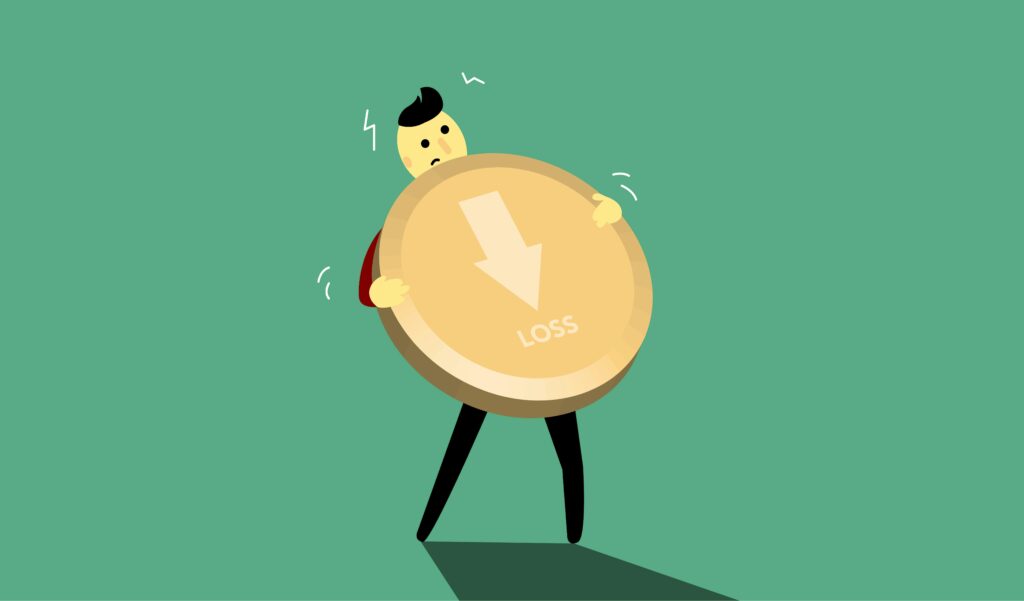
| Retirement Savings Mistake | Impact on Savings | Mitigation Strategy |
|---|---|---|
| Failing to Maximize Employer Matching | Missed opportunity for “free money” | Contribute enough to maximize employer match |
| Taking Early Withdrawals | Penalties, taxes, and reduced savings | Avoid early withdrawals; consider other funding sources |
| Ignoring Tax-Efficient Withdrawals | Higher tax liabilities | Plan withdrawals to minimize taxes |
| Mismanaging Debt | Strained retirement finances | Pay off high-interest debt before retirement |
Poor Investment Allocation and Diversification Errors
Many people make a big mistake by not spreading out their investments. This can put their retirement savings at risk.
Being Too Conservative With Long-Term Investments
Being too cautious with long-term investments is a common error. It’s okay to be careful, especially when you’re close to retirement. But, being too cautious might not keep up with inflation or provide enough returns for a long retirement.
Balancing risk and return is key. A good mix of assets that grow over time and manage risk is important. This could include stocks, bonds, and other investments.
Over-Concentrating in Company Stock
Another big mistake is putting too much in company stock. Employees with stock options or retirement contributions in company stock might have too much tied to their employer’s success.
Diversification helps avoid this risk. By investing in different types of assets, you can lower your risk of losing money if one stock or sector fails.
Neglecting Regular Portfolio Rebalancing
Not rebalancing your portfolio regularly is a big mistake. Over time, the mix of your investments can change due to market shifts. This can increase your risk. Regular rebalancing keeps your investments in line with your retirement goals.
Chasing Returns Instead of Following a Strategy
Investing based on recent performance can harm your long-term finances. This often means buying high and selling low, which goes against good investment advice.
A disciplined investment strategy means having a long-term plan and sticking to it. This approach is more likely to lead to success over time.
Social Security Optimization Failures

Many retirees miss out on the benefits of Social Security optimization, losing a lot of money. It’s key to plan well for retirement income, especially with Social Security. But, it needs careful thought and knowledge of different strategies.
Claiming Benefits Too Early Without Analysis
One big mistake is claiming Social Security too soon. Starting at 62 might cut your monthly benefits forever. It’s wise to think about your finances, life expectancy, and other income before deciding.
Overlooking Spousal and Survivor Benefit Strategies
Another mistake is ignoring spousal and survivor benefits. These can add a lot to a family’s income. Planning when to claim these benefits can increase the total income for a couple or family.
Misunderstanding the Tax Implications of Benefits
Social Security benefits can be taxed, and the rules are complex. Not understanding this can lead to a big tax bill. Knowing how other income affects your Social Security taxes is crucial.
Failing to Coordinate Social Security With Other Income Sources
Not coordinating Social Security with other income can lower your total income. It’s important to see how Social Security works with pensions, annuities, and retirement accounts. This way, you can get the most out of your retirement income.
By avoiding these retirement planning missteps, retirees can get the most from their Social Security. With careful planning and knowledge of different strategies, retirees can make choices that fit their financial goals.
Neglecting Comprehensive Estate Planning
Many people nearing retirement overlook a key part of their financial safety: estate planning. This mistake can cause big problems, affecting not just the person but also their family.
Postponing Essential Legal Documents
Having the right legal papers is crucial for estate planning. This includes wills, trusts, and powers of attorney. Waiting too long to get these can lead to assets being given away by state law, not your wishes. It’s important to check and update these documents often to keep up with life changes or law updates.
Outdated Beneficiary Designations
Beneficiary names on retirement accounts and life insurance are key to estate planning. Not updating these can mean the wrong people get your assets. It’s important to review these regularly to make sure they match your current wishes and situation.
Missing Opportunities for Tax-Efficient Wealth Transfer
Planning for taxes is also part of estate planning. This includes gifts, trusts, and other ways to save on taxes. Not using these can mean a lot of your estate goes to taxes.
Failing to Plan for Incapacity
Planning for when you can’t make decisions is also important. This means having powers of attorney and possibly trusts for managing your assets if you can’t. Without these plans, your family could face big challenges and costs in taking care of you.
To avoid these common mistakes, it’s key to do thorough estate planning. This means not just making legal documents but also keeping them up to date with your life, laws, and money changes.
- Review and update legal documents regularly.
- Ensure beneficiary designations are current.
- Explore tax-efficient wealth transfer strategies.
- Plan for potential incapacity.
By taking these steps, you can make sure your estate is handled as you wish. This can help avoid conflicts and save money.
Healthcare Planning Oversights in Retirement

Retirees often struggle with managing healthcare costs. Living longer means needing better healthcare planning. Many are surprised by the costs and complexities of healthcare in their later years.
Misunderstanding Medicare Coverage and Limitations
Many retirees don’t know what Medicare covers and what it doesn’t. Medicare is key for seniors, but it’s not everything. It doesn’t cover long-term care, dental, vision, hearing, or most prescription drugs without extra coverage.
Understanding Medicare’s limitations is key. Retirees should look into extra insurance. This includes Medigap policies and Medicare Advantage or Part D plans for drugs.
Ignoring Long-Term Care Insurance Options
Long-term care (LTC) insurance is often overlooked. It helps pay for care like nursing homes, assisted living, and in-home care. Without it, retirees might use up their savings.
“Long-term care insurance is a vital tool for protecting retirement assets from the potentially catastrophic costs of long-term care.”
Underutilizing Health Savings Accounts for Retirement
Health Savings Accounts (HSAs) are great for saving for healthcare in retirement. Contributions are tax-deductible, and the money grows tax-free. Withdrawals for medical expenses are also tax-free. Yet, many don’t use them to their full potential.
Failing to Budget for Out-of-Pocket Medical Expenses
Out-of-pocket medical costs can be a big problem in retirement. It’s important to budget for copays, deductibles, and uncovered services. A good rule is to set aside money each year for these costs.
| Expense Category | Annual Cost |
|---|---|
| Medicare Premiums | $1,500 |
| Out-of-Pocket Expenses | $3,000 |
| Long-Term Care Insurance | $2,000 |
| Total Healthcare Costs | $6,500 |
By understanding these common mistakes, retirees can plan better for healthcare costs. This way, they can enjoy a more secure retirement.
Failing to Adapt Retirement Plans to Life Changes

Retirement planning is not a one-time job. It needs ongoing updates to match life’s changes. As people get closer to retirement, big life events can change their money situation and goals.
Major Life Events That Necessitate Plan Adjustments
Big life events like getting married, getting divorced, having grandchildren, or health changes can mean changes to retirement plans. For example, a divorce might mean updating who gets your retirement account. Having grandchildren might make you think about saving for their education, which could change how much you save for retirement.
The Importance of Regular Financial Reviews
It’s key to regularly check your finances to keep your retirement plan up to date. These checks can spot areas that need tweaking, like your investment strategy or how much you save. This helps you stay on track with your retirement goals.
“A financial plan is not a static document; it’s a dynamic tool that needs to be revisited and revised as your life circumstances change.” –
When and How to Seek Professional Financial Advice
It’s important to know when to ask for help from a financial advisor, especially during big life changes or when the market is shaky. Advisors can help adjust your retirement plans to handle economic ups and downs and personal life events.
Adjusting Plans During Market Volatility
Investing always comes with market ups and downs. It’s crucial to check and maybe change your retirement investment mix to manage risk. This could mean rebalancing your investments or looking at safer options as you get closer to retirement.
| Life Event | Potential Impact on Retirement Plans | Adjustment Strategy |
|---|---|---|
| Divorce | Change in financial status, beneficiary designations | Review and revise beneficiary designations, adjust savings rate |
| Birth of Grandchildren | Potential for increased expenses for education | Consider 529 plans, adjust retirement savings if necessary |
| Health Changes | Increased healthcare costs | Review healthcare coverage options, consider long-term care insurance |
Understanding the need to update retirement plans for life changes and knowing when to get professional advice can help avoid common mistakes. This way, individuals can better handle the challenges of retirement planning.
Conclusion: Building a Resilient Retirement Strategy
Creating a strong retirement plan is vital for a secure future. It’s important to avoid common mistakes to succeed in retirement. Not starting early, underestimating needs, and poor investments can harm your savings.
A good plan prepares for risks like inflation, healthcare, and market ups and downs. Knowing these risks and avoiding mistakes can secure your finances. Regularly reviewing and updating your plan keeps you on track.
Being mindful of common errors and taking steps to avoid them is key. This means using employer matches, maximizing Social Security, and diversifying investments. These actions help ensure a secure and peaceful retirement.