Did you know nearly 60% of Americans live paycheck to paycheck? Managing your finances can seem tough, but small changes can make a big difference. Dr. Disha Spath says changing your daily spending is key to financial stability.
Good financial management cuts down stress and boosts your savings. By using simple yet effective strategies, you can control your money better. This article will show you how to manage your finances well, helping you save more of your money.
Why Smart Budgeting Matters for Career-Focused Individuals
In today’s fast-paced world, knowing your finances well can make a big difference. If you’re focused on your career, managing your money is key. It’s not just about saving; it’s about building a strong financial base for your future.
“Financial planning is not just about money; it’s about achieving your life goals,” says a financial expert. This quote highlights the importance of linking your financial choices to your goals. Smart budgeting helps you handle the financial hurdles of a demanding job.
The Financial Challenges Unique to Busy Professionals
Busy professionals face unique money challenges, like irregular pay, high costs, and keeping up appearances. An article by IDFC FIRST Bank suggests having an emergency fund and health insurance can help. An emergency fund acts as a safety net, while health insurance covers medical bills.
The Long-Term Benefits of Financial Organization
Financial organization offers many long-term benefits for your career and life. It helps you pay off debt, save more, and make smarter investments. This way, you can reach your financial goals, like buying a home or saving for retirement.
Smart budgeting brings peace of mind, knowing your finances are in order. This focus helps you stay on track with your career goals and make progress.
Quick-Start Guide to Smart Budgeting
Smart budgeting is easy, even for the busiest people. Just follow a few simple steps. You can manage your money and reach your financial goals.
The 50/30/20 Rule for Professional Lifestyles
The 50/30/20 rule helps you manage your money. It says to spend 50% on needs like rent and food. Then, 30% on wants, and 20% on saving and paying off debt.
Setting Up Your First Budget in Under 30 Minutes
Creating a budget is quick. First, list your income and fixed costs like rent. Then, set aside money for savings and debt.
Lastly, figure out how much you can spend on fun things.
Essential Categories for Professional Budgets
Professionals need specific budget categories. These include:
Professional development courses or training
Networking events
Business-related expenses
Home office expenses, if applicable
Weekend Budgeting: Making the Most of Limited Time
Use weekends to manage your budget if you’re busy during the week. Spend a few hours on Saturday or Sunday to:
Track your expenses from the previous week
Update your budget categories
Plan for upcoming expenses
By spending a little time on weekends, you can keep your finances in check.
Digital Tools That Streamline Your Financial Management
Professionals can manage their finances better with the right digital tools. Today, many tools help track expenses and create budgets. They also save time with automation features.
Top Budgeting Apps for Time-Strapped Professionals
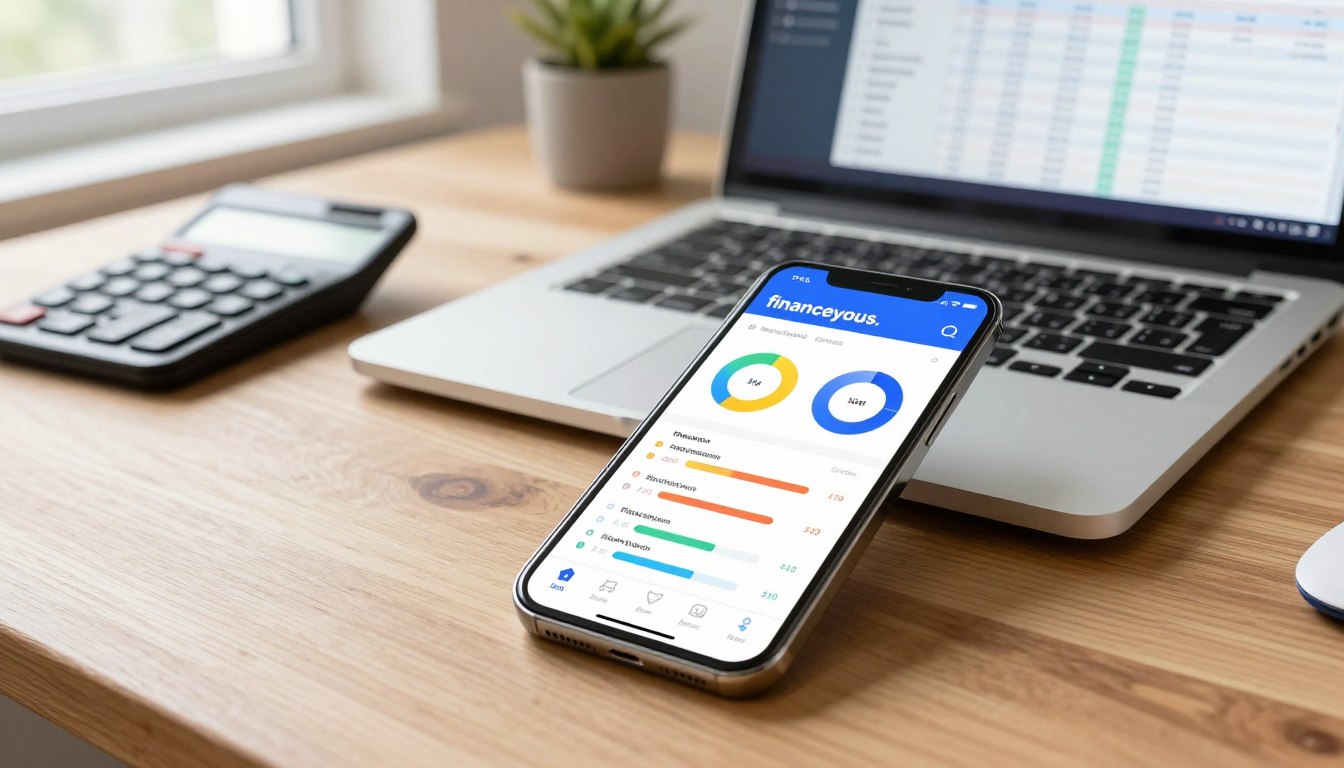
Many budgeting apps are made for professionals to manage money fast. They track expenses, create budgets, and set financial goals.
Mint: Known for its comprehensive financial tracking and free services.
YNAB (You Need a Budget): Focuses on budgeting and saving with a user-friendly interface.
Personal Capital: Offers detailed financial tracking and investment advice.
Mint vs. YNAB vs. Personal Capital Comparison
Each app has special features. Mint tracks expenses well, YNAB is good for budgeting, and Personal Capital gives investment advice. Pick the one that fits your financial needs and smart spending habits.
Bank-Integrated Solutions for Seamless Tracking
Many banks have budgeting tools in their mobile apps. These tools track expenses and income easily. They help stick to a budget and use budgeting strategies well.
Automation Features That Save Hours Each Month
Automation is key in financial tools. Dr. Disha Spath says it reduces financial stress by saving time and cutting down errors. It includes automatic expense categorization, bill reminders, and savings goals.
Using these digital tools and automation, busy professionals can spend wisely and manage their finances better. This leads to better financial health and less stress.
Smart Spending Strategies for High-Income Earners
High-income earners can greatly benefit from smart spending strategies. It’s not just about earning a lot of money. It’s about using your earnings wisely. Being mindful of your spending can greatly improve your financial health.
Identifying and Eliminating Unnecessary Expenses
Smart spending starts with cutting out unnecessary expenses. Look closely at your spending and find areas to reduce costs.
The Coffee Factor: Small Expenses That Add Up
Small daily expenses, like coffee, can add up. Try brewing your own coffee at home. A study shows cutting back on these small costs can save a lot each year.
Subscription Audit: Streamlining Your Digital Services
Another way to save is by reviewing your digital subscriptions. Check your streaming services and software. Cancel any you don’t use often. This simple step can save you money and simplify your digital life.
Strategic Splurging: When to Invest in Quality
It’s also smart to splurge on quality items sometimes. Strategic splurging means spending on things that last or improve your life.
Invest in durable products that will last longer.
Consider spending on experiences, like travel or learning a new skill, that can enrich your life.
Prioritize quality over quantity, for essential items.
By using these smart spending strategies, high-income earners can maximize their financial resources. They can reach their long-term financial goals.
Time-Efficient Methods to Track Your Expenses
Take control of your finances with simple, quick ways to track expenses. This helps you make smart money choices and reach your financial goals.
5-Minute Daily Financial Check-ins
Track your expenses by spending just 5 minutes a day. Use a budget tracker app or a simple spreadsheet. This way, you can spot where to save money and make quick changes.
Here are some money saving tips for your daily check-ins:
Record every transaction, no matter how small.
Categorize your expenses to understand where your money is going.
Set reminders for upcoming bills and payments.
Monthly Financial Reviews That Won’t Overwhelm Your Schedule
Also, do a monthly financial review. Altfest Personal Wealth Management says templates can make analysis easier. Spend 30 minutes to an hour each month to review your finances, adjust your budget, and plan for the next month.
Focus on these during your monthly review:
Assess your spending patterns.
Find areas to improve.
Update your budget to match your financial situation.
Creating Templates for Quick Financial Analysis
Make a template for your financial analysis to save time. A standardized format lets you quickly review your data and make smart choices. Use a spreadsheet or a budgeting app with custom template options.
Red Flags to Watch For in Your Spending Patterns
Look out for red flags in your spending:
Unusual or unexplained transactions.
High spending in certain categories.
Unused subscriptions or services.
Spotting these issues early helps you stay on track with your financial goals.
Balancing Debt Repayment with Career Investments
Managing your money well means balancing debt and career growth. As a busy pro, you handle many financial tasks. This includes paying off debt and investing in your career.
A recent article by IDFC FIRST Bank says focusing on high-interest debt and career growth is smart. This strategy helps you manage your finances and move forward in your career.
Prioritizing High-Interest Debt Without Sacrificing Growth
It’s key to tackle high-interest debt first without hurting your career. Pay off high-interest debt quickly while investing in your career for future gains.
Try the snowball or avalanche method for debt repayment. The snowball method pays off smaller debts first. The avalanche method targets debts with the highest interest rates. Pick the method that fits your finances best.
Strategic Education and Career Development Spending
Investing in your career is vital for financial success. Spending on education and career growth can boost your income and job chances.
Financial experts say, “Investing in yourself is a top investment.”
“The way to get started is to quit talking and begin doing.”
Walt Disney
This advice is key for career growth.
Tax-Advantaged Professional Development Options
Use tax-advantaged options for career growth, like education credits or deductions. These can lower your taxes and offset education costs.
When to Finance Additional Credentials
Financing more education can be smart if it increases your earnings. Look into low-interest loans or income-driven repayment plans for education. Make sure the benefits outweigh the costs.
By balancing debt and career investments, you can achieve financial stability and career growth. Always review your budget and adjust your plan to meet your financial goals.
Building Wealth While Managing a Demanding Career
It’s possible to build wealth even with a busy schedule. By using automated investing and smart spending, you can manage your finances well. This helps you reach your long-term financial goals.
Automated Investing for Busy Schedules
Automated investing is great for those with little time. It lets you invest money regularly without manual effort. Altfest Personal Wealth Management says robo-advisors and dollar-cost averaging make investing easier for busy people.
Robo-Advisors vs. Traditional Financial Planners
Robo-advisors are a cost-effective way to manage your investments. They use algorithms for a diversified portfolio and better returns. Traditional financial planners offer personalized advice but might cost more. Think about your goals and choose what fits best.
Dollar-Cost Averaging for Consistent Growth
Dollar-cost averaging means investing a set amount regularly, no matter the market. It helps smooth out market ups and downs, leading to steady growth. By automating your investments, you can use this strategy to grow your wealth steadily.
Retirement Planning Shortcuts for Professionals
Retirement planning is key, even if it seems far off. Busy professionals can use shortcuts to make planning easier. Start by maximizing your employer’s retirement plan, like a 401(k) or 403(b). Also, consider an IRA or Roth IRA for extra savings.
Automating your retirement savings keeps you on track. Set up automatic transfers from your paycheck or bank account. This way, you save consistently without thinking about it. Regularly review and adjust your plan to keep it aligned with your goals.
Overcoming Common Smart Budgeting Obstacles
Budgeting for busy professionals is more than just tracking expenses. It needs a strategic plan to beat common hurdles. Dr. Disha Spath advises on using financial buffers and accountability systems to stay disciplined.
Dealing with Irregular Income and Bonuses
Handling irregular income or bonuses can be tough. But, there are ways to make it easier. Set aside some of your irregular income for important bills and savings. The 50/30/20 rule can also help you split your income wisely.
Prioritize essential expenses
Allocate a portion towards savings
Use the remaining amount for discretionary spending
Maintaining Budget Discipline During Busy Seasons
Busy seasons can mess up even the best budgets. To stay disciplined, create financial buffers for stressful times.
Creating Financial Buffers for High-Stress Periods
An emergency fund acts as a safety net during busy times. Try to save 3-6 months’ worth of expenses. This way, you’re ready for any unexpected costs.
Accountability Systems That Actually Work
Having an accountability system keeps you on budget. Use budgeting apps or a financial advisor for extra support.
Conclusion: Integrating Smart Budgeting into Your Professional Life
Managing your finances well is key for success in your career. Smart budgeting can help reduce stress and reach your goals. IDFC FIRST Bank says it can bring big financial gains and organize your work life.
To make smart budgeting a part of your day, start with the 50/30/20 rule. Use digital tools to manage your money better. Keep track of your spending and adjust as you go. This way, you can balance your money and career goals.
Staying disciplined and consistent is crucial for smart budgeting. By using these strategies, you’ll manage your money better, feel less stressed, and achieve financial stability. Smart budgeting is a powerful tool for a demanding career and a secure financial future.